Everything You Need to Know About Best Time to Eat Fruits for Weight Loss

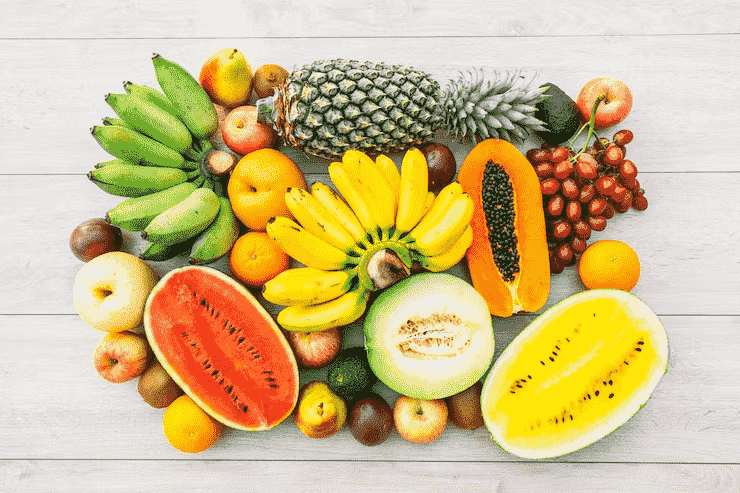
Fruits are vital in a weight loss journey due to their high fiber, low calorie density, and abundance of vitamins. Timing is crucial as it influences energy levels, metabolism, and digestion. Consuming fruits in the morning jumpstarts metabolism and provides sustained energy.
Pre-workout fruits fuel exercise, enhancing performance and recovery. Post-workout fruits replenish glycogen stores and aid muscle repair. Snacking on fruits between meals curbs cravings and prevents overeating. Optimising fruit consumption throughout the day maintains steady blood sugar levels, promotes satiety, and supports overall weight loss efforts.
Nutritional Benefits of Fruits for Weight Loss
Fruits offer numerous nutritional benefits that support weight loss efforts. Their high fiber content promotes satiety, helping to control appetite and prevent overeating. Additionally, the low calorie density of fruits means you can consume larger portions with fewer calories, aiding in weight management (1).
Fruits are also rich in vitamins and antioxidants, which support overall health and help combat inflammation. Furthermore, the fiber in fruits aids digestion by promoting regular bowel movements and maintaining gut health. By regulating blood sugar levels, fruits contribute to stable energy levels throughout the day, reducing cravings and supporting weight loss goals.


Factors to Consider When Timing Fruit Consumption
Considering factors such as meal timing, individual preferences, and exercise routine is crucial for optimizing fruit consumption for weight loss.
1. Meal Timing
Eating fruits at strategic times throughout the day can enhance their impact on weight loss. Consuming fruits in the morning can jumpstart metabolism, provide sustained energy, and kickstart digestion. Pre-workout fruit consumption fuels exercise performance, while post-workout intake replenishes glycogen stores and aids muscle recovery. Snacking on fruits between meals prevents overeating by curbing cravings and maintaining satiety.
2. Individual Preferences
Everyone’s dietary preferences and habits are unique, so finding the best time to eat fruits for weight loss should align with individual preferences. Some people may prefer to consume fruits as part of their breakfast, while others may enjoy them as snacks throughout the day. Adhering to personal tastes ensures greater adherence to a healthy eating plan and promotes long-term weight loss success.
3. Exercise Routine
Timing fruit consumption around exercise sessions can optimize energy levels, performance, and recovery. Consuming fruits before a workout provides a natural source of carbohydrates for fuel, enhancing endurance and preventing fatigue. Post-workout fruit intake replenishes glycogen stores and delivers essential nutrients to support muscle repair and recovery. Adjusting fruit consumption based on the timing and intensity of exercise sessions ensures optimal nutrient utilization and enhances weight loss outcomes.
How Glycemic Index of Fruits Affect Blood Sugar Levels and Energy Production
The glycemic index (GI) of fruits measures how quickly the carbohydrates in a fruit raise blood sugar levels compared to pure glucose. Fruits with a low GI release glucose slowly into the bloodstream, providing sustained energy and preventing spikes in blood sugar levels. These fruits include berries, apples, pears, and citrus fruits. On the other hand, fruits with a high GI cause rapid spikes in blood sugar levels, followed by a crash, leading to fluctuations in energy levels. Examples of high-GI fruits include watermelon and pineapple.
Choosing fruits with a low GI can help maintain stable blood sugar levels throughout the day, providing sustained energy and preventing cravings or energy crashes. By incorporating low-GI fruits into meals and snacks, individuals can support weight loss efforts by promoting satiety, reducing calorie intake, and supporting consistent energy levels. Additionally, pairing fruits with protein, healthy fats, or fiber-rich foods can further mitigate their impact on blood sugar levels and enhance feelings of fullness and satisfaction.
Best Times to Eat Fruits for Weight Loss
1. Morning
Eating fruits in the morning can help jumpstart metabolism by providing the body with essential nutrients and hydration after an overnight fast. Fruits are rich in vitamins, minerals, and antioxidants that support metabolic function and cellular energy production. Additionally, the natural sugars in fruits provide a quick source of energy that the body can readily utilize, helping to rev up metabolism and kickstart fat-burning processes.
Fruits are rich in dietary fiber, which plays a crucial role in promoting healthy digestion. Fiber adds bulk to stool, helping to prevent constipation and promote regular bowel movements. Additionally, fiber acts as a prebiotic, feeding beneficial bacteria in the gut and supporting a healthy gut microbiome.
2. Pre-Workout
The carbohydrates in fruits serve as the primary fuel source for muscles during exercise. By consuming fruits before a workout, you ensure that your muscles have an adequate supply of glycogen, which is essential for powering movements and sustaining intensity during exercise. This can lead to improved exercise performance, allowing you to push yourself harder and burn more calories, ultimately contributing to weight loss.
Pre-workout fruit consumption can also enhance fat burning during exercise. When you consume carbohydrates before a workout, your body uses them as the primary fuel source during the initial stages of exercise. As you continue exercising, your body gradually shifts to burning stored fat for energy, especially during moderate to high-intensity workouts. By providing carbohydrates before a workout, fruits can help spare muscle glycogen and promote greater fat utilization, thereby supporting weight loss.
3. Post-Workout
Consuming fruits after a workout provides essential nutrients that help repair muscle tissue, reduce inflammation, and prevent muscle soreness. This promotes faster recovery from exercise-induced muscle damage and facilitates the repair and growth of lean muscle mass. Increased muscle mass can boost metabolism and calorie burning, contributing to long-term weight loss and improved body composition.
Consuming fruits after a workout helps stabilize blood sugar levels, preventing energy crashes and promoting a steady release of energy throughout the day. This can help prevent overeating and cravings for unhealthy foods, supporting weight loss efforts by promoting better appetite control and food choices.
4. In Between Meals
Consuming fruits as snacks helps satisfy hunger and cravings for sweet foods without adding excessive calories or unhealthy fats. This can prevent overeating and reduce the likelihood of reaching for high-calorie, nutrient-poor snacks, ultimately supporting weight loss efforts by promoting better appetite control and food choices.
Eating fruits between meals provides a source of energy and nutrients without adding significant calories to your daily intake. The fiber in fruits promotes feelings of fullness and satiety, helping you feel satisfied with fewer calories. This can lead to a reduction in overall calorie intake, creating a calorie deficit that supports weight loss over time.
How to Incorporate Fruits in Your Daily Diet for Weight loss?
Incorporating fruits into your daily diet for weight loss is easy with these practical tips:
- Start Your Day Right: Begin your morning with a fruit-packed breakfast. Add sliced bananas or berries to oatmeal, yogurt, or whole-grain cereal. Alternatively, enjoy a refreshing fruit smoothie blended with spinach, kale, or avocado for added nutrients.
- Snack Smart: Keep a variety of fresh fruits on hand for convenient snacking throughout the day. Pack portable options like apples, oranges, or grapes for on-the-go munching. Pair fruit with a source of protein, such as nuts or yogurt, to enhance satiety and balance blood sugar levels.
- Power Up Your Lunch: Incorporate fruits into your lunch by adding them to salads, wraps, or sandwiches. Sliced apples, pears, or grapes can add a refreshing crunch to savory dishes. Alternatively, enjoy a side of fruit salad or a fruit-based salsa to complement your main meal.
- Satisfy Your Sweet Tooth: Instead of reaching for sugary snacks or desserts, satisfy your sweet cravings with nature’s candy—fresh fruits! Enjoy a bowl of mixed berries, a plate of sliced mango or pineapple, or a frozen banana dipped in dark chocolate for a guilt-free treat.
- Hydrate with Fruit-infused Water: Stay hydrated and infuse your water with flavor by adding slices of citrus fruits, cucumber, or berries. This refreshing beverage will help keep you hydrated while providing a hint of natural sweetness.
- Get Creative with Cooking: Experiment with incorporating fruits into your savory dishes for added flavor and nutrition. Try adding diced apples or raisins to chicken salad, topping grilled fish with mango salsa, or roasting vegetables with balsamic-glazed strawberries for a unique twist.
- Plan Ahead: Make fruits a staple on your grocery list and stock up on a variety of options to ensure you always have them on hand. Prep fruits in advance by washing, slicing, and portioning them into convenient containers for easy access throughout the week.
Conclusion
Eating fruits is an essential part of a healthy diet. It is important to understand the best time to eat fruits to maximize their benefits. From morning to evening, there are different times of the day when eating fruits can have varying effects on your body. However, there are certain instances when you should avoid eating fruits, such as during pregnancy or if you have allergies.
FAQs
1. Which fruit is best for weight loss?
Berries, such as strawberries, blueberries, raspberries, and blackberries, are excellent choices for weight loss due to their high fiber content and low calorie density.
2. Is eating fruits at night good for weight loss?
Yes, you can eat fruits at night for weight loss, but it’s important to consider portion sizes and timing. Opt for low-calorie fruits like berries or apples and avoid high-sugar options. Eating fruits for dinner in moderation as part of a balanced dinner or snack can support weight loss by providing nutrients and fiber.
3. Can we eat fruits in an empty stomach in the morning?
Yes, it’s perfectly fine to eat fruits on an empty stomach in the morning. In fact, many people find that consuming fruit first thing in the morning helps aid digestion and boost energy levels.



I was skeptical at first, but this weight loss product delivered outstanding results. From 95kg to a fit 65kg, it’s a true game-changer. Say goodbye to stubborn fat and to start your transformation!