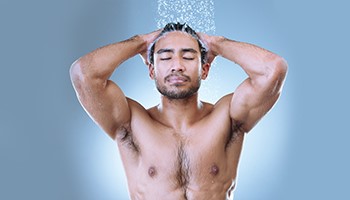
After pushing your muscles in the gym and sweating out during a good workout, all you want to do is rinse off in a nice bath and rejuvenate. But have you ever considered that even the temperature of that water can make a difference post-workout on your body?
Yes! Your showers matter too. Whether you are a hot water shower person or an ice-cold water shower person, the temperature you choose can determine the health of your muscles post-workout. But which is the right way to go? We’ve compiled a list of pros and cons for both to help you choose the best shower routine post-workout.
Why is showering post-workout essential?
Showering or bathing post-workout isn’t just necessary for maintaining basic hygiene; it can help in muscle recovery and improve the body’s ability to recover, preparing it for the next workout by pushing out lactic acid, the natural chemical reaction that causes soreness in your muscles.
It is recommended that you wait about 20 minutes after exercising to shower, as it is essential to regulate your body temperature back to normal and cool down, which takes about 20-30 minutes for you to stop sweating from your workout.


Cold Showers: Benefits & more
1. Mood Regulation
A study was conducted on thirty-three healthy adults aged 20 to 45, including 16 females. They underwent a five-minute whole-body bath at 20°C, and it was found that post-cold water bath, they felt more alert, attentive, active, and proud, while feeling less distressed or nervous. (1)
Cold showers can also trigger the release of neurotransmitters such as serotonin, dopamine, cortisol, and norepinephrine, which play a vital role in reward processing, as well as mood and stress regulation.
2. Increased circulation
Hitting the shower with cold water post-workout can reduce your core temperature, which pushes your body to work harder to warm itself up by pumping blood faster, resulting in increased circulation.
3. Relieves sore muscles
Cold water speeds up the recovery process by improving the circulation of blood and oxygen effectively reduces: (2)
- Exercise-Induced Muscle stiffness
- Fatigue
- Exercise-induced muscle damage
4. Reduces Inflammation
Long-term inflammation from workouts can, over time, damage healthy cells, tissues, and organs, increasing your risk of diseases such as cancer and arthritis.
However, with cold showers, your sympathetic nervous system is activated, which helps reduce inflammation and can be beneficial in preventing long-term injuries.
5. Regulates body temperature
Your body tends to heat up while performing an intensive workout, which can often lead to heat stress post-exercise.
Cold showers help lower the core body temperature, especially in hot and humid conditions and assist in cooling down, making you feel more relaxed and comfortable after a workout.
6. Brown-fat activation
Brown adipose tissue, also referred to as brown fat, is a type of body fat that helps regulate your body temperature in cold conditions. When brown fat is activated, the body’s response is to shiver, which can help burn fat and calories.
Cold showers can help activate brown fat, pushing your body to burn more calories post-workout just by bathing!

Cold shower: Optimal Routine
- Temperature: 10-15°C
- Duration: 5-10 minutes (2-3 times a week)
Hot Showers: Benefits & more
1. Progressive Muscle Relaxation
A study was conducted to explore the benefits of hot water treatments on physical recovery and progressive muscle relaxation. It was found that hot water helps manage chronic pain conditions like arthritis and muscle stiffness, and it also reduces blood pressure. (3)
2. Pain management
A perfect end to the day always begins with a nice hot water bath. Not only does it feel good on your skin, but a post-workout hot water bath relieves muscle tension and helps with pain management.
The warmth of the water increases blood flow and reduces muscle tightness.
3. Improved circulation
When the body is exposed to heat, it causes vasodilation, which means the blood vessels widen, helping to improve blood flow throughout the body.
Research conducted to study the difference between people who took hot water baths daily compared to those who took them fewer times a week showed that those who took the baths regularly had a 28% lower risk of cardiovascular disease, along with a 26% lower risk of stroke.. (4)
4. Muscle recovery
Hot showers help increase blood flow and relax your muscles. This increased blood flow can also aid in relieving muscle soreness and soothing tense muscles.
Hot water showers can be beneficial for athletes and individuals engaged in power training, as they can help reduce downtime between workouts.
5. Promotes Relaxation
When you step into a hot water bath, it effectively helps relieve your body tension and can soothe any muscle fatigue.
Several reports have suggested that a hot water shower can promote less stress, fatigue, and pain, which results in improved emotional and mental health.
6. Enhances Flexibility
We’ve found that through vasodilation, hot water baths can help loosen up muscles and connective tissues, increasing their flexibility.
Enhanced flexibility can result in better workout performance with reduced injuries.
Hot shower: Optimal Routine
- Temperature: 37-40°C
- Duration: 5-10 minutes (4-5 times a week)
Cons: Cold water showers vs. Hot water showers
Cold Water Showers: Cons
- In cooler temperatures, cold water showers do not help the body warm up quicker and could lead to excessive body cooling.
- If you are sick, cold water baths will cause a strain on your body and immune system
- It can dry your skin and hair causing flaking
Hot Water Showers: Cons
- Hot water can also cause skin irritation and may damage keratin cells on the epidermis causing dryness.
- It can trigger existing conditions like eczema
- Increased heat can cause itchiness that can be uncomfortable and painful
Conclusion
All bodies have different needs and reactions. While both types of showers offer incredible health benefits, it is essential for you to recognize what suits your body.
Athletes can benefit from cold water showers due to their ability to reduce sports injuries and inflammation, while people dealing with muscle soreness and fatigue may benefit more from warm showers.
Before you begin a routine, contact your healthcare provider to discuss the choice best suited to your body type.
FAQs
1. Which is better, cold or hot shower after workout?
For athletes & individuals who do intensive workouts can benefit from cold water showers post workout & people with issues with muscle soreness & fatigue can benefit more from warm showers.
2. Is hot or cold better after a workout?
Both are amazing with a long list of health benefits, such as:
Cold showers offer:
- Reduced inflammation
- Mood regulation
Hot showers offer:
- Reduces high blood pressure
- Relaxes muscles
3. Do cold showers have more benefits than hot showers?
Both have several benefits such as:
Cold water:
- Reduced inflammation
- Reduced muscle soreness
- Better circulation
Hot water:
- Lower blood pressure
- Loosens tight muscle
- Regulates mood
4. What happens after 30 days of cold showers?
After 30 days of cold showers you may experience:
- Improved mood
- Better skin and hair
- Improved circulation
- Reduced muscle soreness
5. Does a cold shower after a workout reduce gains?
There is a possibility that cold showers may inhibit muscle protein synthesis and for people with muscle growth as priority should definitely avoid it.