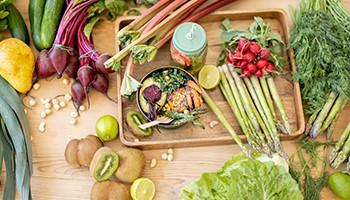
Once you enter the world of fitness, you will stumble upon endless diet hacks, some of which are tried and tested while others fall through the cracks. One of the successful diets that has stuck around among enthusiasts is the ‘Cutting Diet.’
If this is your first time coming across this or you are trying to understand how to begin one, we’ve compiled the perfect guide for you with all the cutting diet essentials you’ll need to retain muscle while shedding fat.
- What is a ‘Cutting Diet’?
- Following a cutting diet & retaining muscle mass
- Conclusion
What is a ‘Cutting Diet’?
You might have come across the term ‘shredding,’ which means that you follow a diet in which you ‘cut’ out calories to shed extra fat and look leaner.
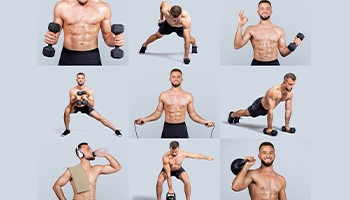
It is vital to note that this isn’t a long-term diet; instead, it is something followed by bodybuilders for instant results before competitions, events, or as part of their intensive training program.

There is no single calorie plan for an individual; instead, it is tailored to each person’s body type. However, the basic idea is to keep protein and carb intake high while combining it with weight lifting.
A study was conducted to investigate the impact of resistance training on lean muscle mass during calorie restriction in obese individuals. It was found that resistance training effectively preserved lean muscle mass while reducing fat during calorie restriction. (1)
Following a cutting diet & retaining muscle mass
-
Restricting Calories
The basics of losing weight begin with your calorie consumption and, secondly, with your energy expenditure. Restricting your calories to 800-1500 kcal per day is traditionally considered an ideal approach to reducing weight through a calorie deficit.(2)
However, calorie consumption can differ based on weight, age, sex, lifestyle, and exercise levels. An easy way to understand how many calories you need, based on these different factors, is to use an online calorie calculator that can help determine the appropriate amount of calories you need per day.
Even if you are losing weight slowly, as long as you are losing weight, then your cutting diet is working! It’s not advisable to suddenly cut out a major number of calories from your diet, as it can cause muscle mass loss, and the intention here is to preserve your muscle while shedding only the fat.
-
Determining Protein intake
The gym-bros love their protein, but what does high protein intake have to do with losing weight?
Protein intake can determine how much weight you lose by:
- Improving your metabolism
- Keeping you satiated so you feel less hungry
- Preserves your lean muscle mass
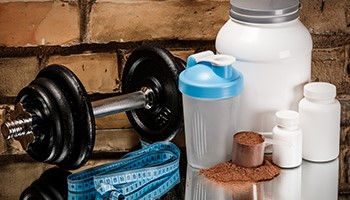
Cutting diet is all about losing weight & maintaining your muscle mass and the best way to do that is keeping your protein intake high. You need to consume about 1-1.4 grams of protein per 453 grams of body weight.
-
Determining Fat intake
Diet culture over the years has demonised ‘fat’ intake. While it is important to reduce fat while on a cutting diet, eliminating it is not an option.
You need some amount of fat for:
- Energy
- Vitamins
- Maintaining Testosterone levels
- Cognitive function
- Inflammation
- Blood clots
There have been studies that show reduced fat intake affects testosterone production and IGF-1, which are essential for muscle mass growth. (2)
The best way to keep track of your fat intake on a cutting diet is to have a general rule of thumb for every 20-30% of calories you consume should be derived from fat.

-
Determining Carb intake
Another often-frowned-upon nutrient, carbohydrates, are a major player in preserving muscle mass while on a cutting diet. Your body utilizes carbs for energy, and while cutting, this can be beneficial as your body will use carbs instead of protein for energy, preventing muscle loss.
If you are in the gym for a hefty workout session, then a good carb intake will help fuel the intensive workout and assist you in losing weight.
According to a study, individuals must maintain an intake of:
- 1.6-2.2g/kg body weight of protein intake distributed amongst 3-6 meals to preserve muscle mass
- 3-5g/kg of carb intake per day based on your energy level & muscle mass
This balance will help provide the energy you need for bodybuilding while preventing any muscle loss during your cutting.
-
Increase Fiber intake
“Eat more fiber” is the number one piece of advice when considering weight loss. This is because consuming an average of 19 grams of fiber per day can not only help you lose weight but also lower your blood pressure and significantly improve insulin sensitivity. (5)
Fiber also keeps you feeling fuller for a longer time which can help curb your hunger and the nutrients can provide energy for an intense workout.
-
Hydration
Hydration is essential for your overall health, but when it comes to cutting, reduced calorie intake may mean you might feel pangs of hunger now and then.
Staying hydrated helps nourish your body and curb hunger while also supporting your metabolism.
Conclusion
A cutting diet can be beneficial for losing fat while preserving your muscle mass. It is especially useful for bodybuilders who are preparing for competitions or events.
Being mindful of your daily calorie intake and engaging in regular workouts can help you stay on track and fulfill your diet plan. However, before you adjust your daily calorie intake, consult a healthcare professional to tailor a calorie chart for you.
FAQs
1. How to retain muscle while cutting?
The best way to retain muscle mass while cutting is to ensure you have an adequate intake of protein, carbs and fats. You need to consume about 1-1.4 grams of protein per 453 grams of body weight.
2. Can you lose fat and gain muscle while cutting?
Yes, you can. With a proper diet tailored to your calorie intake and a good training routine, it is possible to lose fat and gain muscles.
3. What burns first, fat or muscle?
When you’re in a calorie deficit, your body primarily burns fat for energy first. However, if the calorie deficit is too large or if you’re not consuming enough protein, your body may also start to break down muscle for energy.
4. How do bodybuilders cut without losing muscle?
Bodybuilders follow a strict calorie deficit plan while lifting weights to ensure they don’t have muscles while shedding weight.
5. How much protein to maintain muscle while cutting?
You need to consume about 1-1.4 grams of protein per 453 grams of body weight.