Carbohydrates vs. Protein vs. Fat for Weight Loss: What You Need to Know

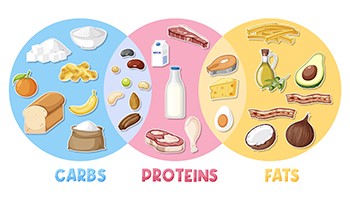
When it comes to weight loss, understanding the role of different macronutrients is crucial. Carbohydrates, protein, and fat each play unique roles in how our bodies function, and their impacts on metabolism, body composition, and caloric intake can be significant. In this blog, we will explore carbohydrates and weight loss, compare protein vs. fat, and look at the implications of a low-carb diet and a high-protein diet. By the end, you’ll have a clear understanding of how these macronutrients affect weight loss and what studies suggest about balancing them for optimal results.
Carbohydrates and Weight Loss: A Double-Edged Sword
Carbohydrates are often the most debated macronutrient when it comes to weight loss. While they are essential for energy, the type and amount of carbs you consume can make a big difference in your weight loss journey.
Are Carbs Good for Weight Loss?
The answer depends on the type of carbohydrates you’re consuming. Refined and processed carbs can spike insulin levels and contribute to fat storage, but healthy carbs for fat loss, like those from whole grains, vegetables, and fruits, provide fiber and nutrients that support metabolism and overall health.
A study published in the American Journal of Clinical Nutrition found that individuals who consumed whole, unrefined carbs had better weight management and reduced risk of obesity compared to those who consumed refined carbs. This highlights the importance of choosing healthy carbs for fat loss (1).

How Many Carbs to Lose Weight?
The amount of carbs to consume for weight loss varies depending on factors like age, sex, activity level, and metabolism. A common strategy is to aim for 45-65% of total daily caloric intake from carbohydrates, with an emphasis on complex, high-fiber sources.
Protein vs Carbs: The Satiety Factor
Protein and carbohydrates both play crucial roles in the body, but they differ significantly when it comes to their impact on satiety and muscle maintenance.
Protein for Weight Loss
Protein is known for its ability to increase satiety, support muscle mass, and boost metabolism. A high-protein diet helps maintain muscle mass while losing fat, which is essential for maintaining a higher metabolic rate.
A study in the Journal of Nutrition found that participants on a high-protein diet experienced greater weight loss and fat reduction compared to those on a lower protein diet. The increased thermic effect of protein, which requires more energy for digestion, contributes to this enhanced weight loss (2).
Protein vs. Carbs
While protein supports muscle mass and keeps you full longer, carbs are the primary energy source for high-intensity activities. The choice between protein vs. carbs depends on individual goals; for example, athletes may require higher carbs for energy, while those focusing on weight loss may benefit more from higher protein intake.
Key Tip: A balanced approach that includes both protein and complex carbs can aid in weight loss by fueling workouts and promoting muscle recovery.
Fat: The Misunderstood Macronutrient
Fat has long been vilified in the diet industry, but recent studies have shed light on its importance for overall health and weight management.
Carbs vs. Fat: What’s Better for Weight Loss?
The debate between carbs vs. fat often comes down to personal preference and body response. A low-fat diet can help reduce caloric intake, but fats are essential for hormone production, brain function, and absorption of fat-soluble vitamins.
Low-Fat Diets vs. Low-Carb Diets
A study published in The Lancet Diabetes & Endocrinology compared low-fat and low-carb diets for weight loss. It was found that both diets were effective for weight loss when calorie intake was controlled, but participants on the low-carb diet saw more significant reductions in insulin levels and body fat (3).
Protein vs Fat
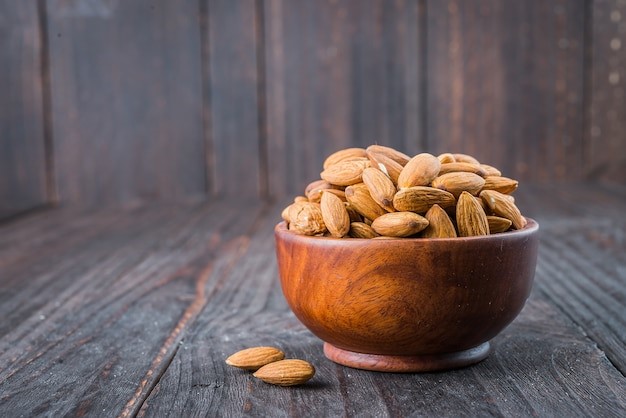
Protein supports muscle building and metabolism, while unsaturated fats from sources like avocados and nuts aid satiety and heart health.
Metabolism and Macronutrient Balance
The body processes carbohydrates, protein, and fat differently. Carbs are broken down into glucose and stored as glycogen in the muscles and liver. Protein takes longer to digest and has a higher thermic effect, which means the body burns more calories during digestion. Fat, while calorie-dense, provides a long-lasting energy source and supports hormone regulation.

Impact on Insulin
Carbohydrates, particularly refined ones, can cause rapid spikes in insulin, a hormone that regulates blood sugar. High insulin levels can promote fat storage and make it harder to lose weight.
A study from the European Journal of Clinical Nutrition showed that diets higher in protein and healthy fats with reduced carbohydrate intake resulted in better insulin sensitivity and greater fat loss.
Choosing the Right Macronutrient Ratio for Weight Loss
-
Finding Your Ideal Balance
The best approach for weight loss may not be the same for everyone. Factors like age, activity level, metabolism, and body composition goals play a role in determining the right ratio of macronutrients.
-
High-Protein Diets
A high-protein diet is especially effective for those looking to lose weight and maintain muscle mass. Increasing protein intake helps in muscle repair, enhances satiety, and boosts metabolism.
-
Low-Carb Diets
Low-carb diets, such as the ketogenic diet, reduce the amount of glucose available for energy and force the body to burn fat for fuel. This can be effective for quick fat loss, but sustainability and nutrient balance should be considered.
-
Low-Fat Diets
Low-fat diets focus on reducing overall caloric intake while maintaining sufficient protein and carbohydrate intake. While effective for some, eliminating too much fat can lead to issues with nutrient absorption and hormone production.
Practical Tips for Balanced Eating
Pairing protein, carbs, and healthy fats in meals helps balance energy levels, support muscle mass, and prevent overconsumption.
- Focus on Quality: Choose lean protein, healthy carbs for fat loss, and unsaturated fats for better weight management.
- Monitor Caloric Intake: Even the healthiest macronutrient distribution requires mindful caloric intake to achieve weight loss. Maintaining a slight caloric deficit supports gradual, sustainable weight loss.
- Stay Hydrated: Hydration plays a role in metabolism and satiety. Drink plenty of water to support your body’s metabolic processes.
Conclusion:
The optimal macronutrient ratio for weight loss will depend on your personal preferences, lifestyle, and body type. While high-protein diets can boost metabolism and support muscle mass, low-carb diets may help with quick fat loss by lowering insulin levels. A balanced approach that includes healthy carbs for fat loss, lean protein, and unsaturated fats can provide a sustainable path to weight management and improved body composition.
Understanding the effects of carbohydrates and weight loss, protein vs. fat, and the role of healthy carbs for fat loss is essential for crafting a plan that works for you. Focus on whole foods, stay active, and adjust your caloric intake based on your progress. With the right approach, weight loss can be both achievable and sustainable.
FAQs
- Is it better to cut carbs or fat for weight loss?
Cutting carbs is often more effective for quick fat loss due to its impact on insulin levels and fat storage, but cutting fat can also work if overall caloric intake is reduced.
- What burns faster: carbs, fat, or protein?
Carbs burn the fastest as they are the body’s primary energy source, followed by protein and then fat.
- What is the ratio of protein, carbs, and fat for weight loss?
A common effective ratio for weight loss is 40% protein, 30% carbs, and 30% fat, though this can vary based on individual needs.
- Should I eat more carbs or protein to lose weight?
Eating more protein can be more beneficial for weight loss as it increases satiety and supports muscle maintenance, but a balanced intake of both is important for sustainable results.