Weight management is a complex topic that involves more than just numbers on a scale. Two significant components that contribute to overall body weight are water weight and fat. Understanding the difference between these can help you tailor your fitness and dietary goals more effectively. Also knowing how to reduce water retention in the body is important, as this can help us in achieving good health and reaching our fitness goals.
What is Water Weight?
Water weight refers to the extra water that’s stored in your body’s tissues, joints, and bloodstream. This temporary weight fluctuation is often due to water retention, which can be influenced by various factors such as diet, hormones, and physical activity.
Electrolytes like sodium and potassium play a crucial role in regulating the body’s water balance. An imbalance can lead to increased water retention. For instance, consuming high amounts of sodium can cause the body to hold onto more water to dilute the excess salt, leading to a temporary increase in weight.
What is Fat?
Fat, or adipose tissue, is the body’s way of storing excess calories for future energy use. Unlike water weight, fat accumulation is a longer-term process resulting from consuming more calories than the body burns. This excess energy is stored in fat cells, leading to weight gain over time.

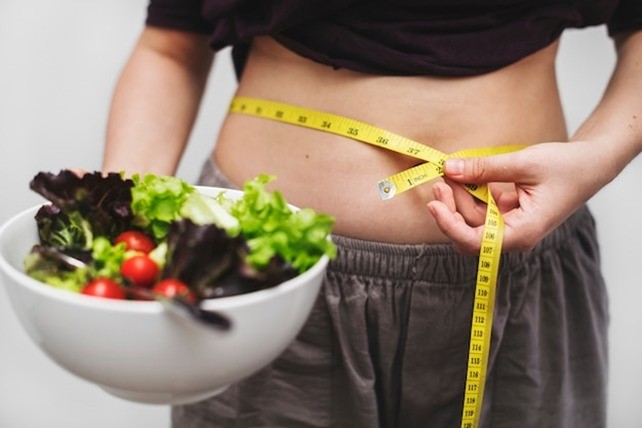
Body Mass Index (BMI) is a common measure used to categorize individuals based on weight relative to height. While BMI doesn’t distinguish between fat and muscle mass, a higher BMI can indicate increased body fat levels.
Water Weight vs. Fat: Key Differences
Understanding the difference between water weight and fat is essential for accurate weight management:
- Fluctuation: Water weight can fluctuate daily due to diet and hormonal changes, while fat changes occur over weeks or months.
- Appearance: Excess water can cause bloating and puffiness, whereas fat accumulation leads to increased body size and altered body shape.
- Loss Methods: Losing water weight involves reducing water retention, whereas losing fat requires a caloric deficit—burning more calories than consumed.
Does Drinking Water Increase Weight?
A common question is, does drinking water increase weight? In the short term, consuming water adds weight because the liquid has mass. However, this is temporary and essential for bodily functions.
Drinking water can actually aid in weight loss. Adequate hydration helps regulate metabolism and can suppress appetite, leading to reduced calorie intake. A study published in the journal Obesity found that participants who drank water before meals lost more weight than those who didn’t (1).
How to Lose Water Weight
If you’re experiencing water retention, here are some strategies to lose water weight:
- Reduce Sodium Intake: High sodium levels can cause the body to retain water. Opt for fresh foods and read labels to avoid excess salt.
- Increase Potassium Intake: Foods rich in potassium, like bananas and spinach, help balance sodium levels and reduce water retention.
- Exercise Regularly: Physical activity promotes sweating and improves circulation, aiding in water weight loss.
- Consider Diuretics: Natural diuretics like green tea and dandelion root can help increase urine production, reducing water retention. Consult a healthcare professional before using any diuretic supplements.
Also, a study published in the Journal of Nutrition and Metabolism examined the effects of low-carbohydrate diets on water weight and fat loss (2).
How to Reduce Water Retention in the Body
Water retention can be uncomfortable and may contribute to fluctuations in body water weight. Understanding how to reduce water retention in the body is essential for both comfort and effective weight management. Here are additional strategies to help you manage this condition:
- Increase Physical Activity: Regular exercise stimulates blood flow and helps the body sweat out excess fluids. Activities like walking, swimming, or strength training can reduce water retention. Exercise also promotes muscle growth, which can help differentiate between water weight vs fat loss.
- Eat a Balanced Diet Rich in Protein: Adequate protein intake helps maintain lean muscle mass and supports the production of albumin, a protein that prevents fluid from leaking out of blood vessels. Consuming sufficient protein can reduce swelling associated with water retention.
- Consume Natural Diuretics: Foods and beverages like parsley, green tea, and asparagus have natural diuretic properties that encourage urination and reduce water retention. Incorporating these into your diet can help manage body water weight.
- Limit Processed Foods: Processed foods are often high in sodium and additives that contribute to water retention. Opting for whole, unprocessed foods allows better control over sodium intake, helping you understand how to reduce water retention in the body effectively.
- Monitor Hormonal Changes: Hormonal fluctuations, particularly in women during menstrual cycles, can lead to increased water retention. Being mindful of these changes can help in planning dietary adjustments and lifestyle habits to minimize water weight gain.
- Get Adequate Sleep: Poor sleep can affect the nerves in your kidneys, regulating sodium and water balance. Ensuring 7-9 hours of quality sleep per night can aid in reducing water retention
- Stay Cool: High temperatures cause blood vessels to expand, leading to fluid leakage into surrounding tissues. Keeping cool during hot weather can minimize this effect and help manage body water weight.
- Avoid Sitting or Standing for Too Long: Remaining in one position can cause fluids to pool in the body. Taking regular breaks to move around promotes circulation and reduces swelling.

By incorporating these strategies into your daily routine, you can effectively reduce water retention in the body. This not only alleviates discomfort but also provides a clearer distinction between water weight vs fat when tracking your weight management progress. Remember, managing water retention is a key step towards achieving a balanced and healthy body weight.
Inflammation can cause water retention. According to research published in The Journal of Inflammation, chronic inflammation leads to increased vascular permeability, causing fluids to leak into tissues. Addressing inflammation through diet—like consuming omega-3 fatty acids—and lifestyle changes can reduce water weight (3).
Water Retention Remedies
Natural remedies for water retention include:
- Herbal Teas: Teas made from parsley or fennel have diuretic properties.
- Supplements: Magnesium supplements can help, especially in women with premenstrual water retention.
- Compression Garments: Wearing compression socks can reduce swelling in the legs caused by fluid buildup.
How Much Water Weight Can You Lose?
The amount of water weight you can lose varies. In the first week of dieting, some people may lose up to 5 pounds of water weight. However, this rate decreases as the body adjusts.
It’s important to focus on long-term fat loss rather than short-term water weight loss. Sustainable weight loss involves creating a caloric deficit through diet and exercise while maintaining proper hydration.
Conclusion
Understanding the difference between water weight and fat is crucial for effective weight management. While water weight can cause temporary fluctuations on the scale, fat loss requires consistent effort over time. By focusing on healthy habits like balanced nutrition, regular exercise, and proper hydration, you can achieve and maintain your weight goals.
Remember, the key to managing both water weight and fat is a holistic approach that considers diet, lifestyle, and overall health. Always consult with healthcare professionals before making significant changes to your diet or exercise routines.
FAQs
1.How do I know if I’m losing fat or water weight?
You’re likely losing fat if weight loss is gradual and accompanied by decreased body measurements, whereas rapid weight changes are usually due to water weight.
2. Is water weight easier to lose than fat?
Yes, water weight is generally easier and quicker to lose than fat through dietary changes and hydration management.
3. Can water weight be mistaken for fat?
Yes, water retention can cause bloating and weight gain that may be mistaken for fat.
4. How many kg is water weight?
Water weight can vary but often accounts for 1 to 5 kilograms of your total body weight.
5. How to burn fat instead of water weight?
Burn fat by maintaining a caloric deficit through a balanced diet and regular exercise over time.