
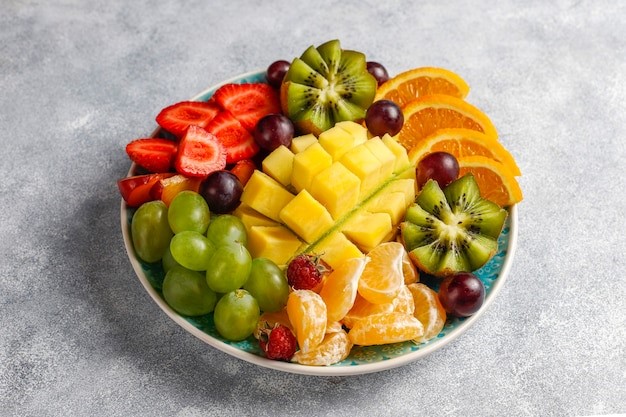
Are you looking for a way to lose weight without feeling hungry or deprived? One of the most effective ways to achieve this is by adding soluble fiber to your diet. Soluble fiber foods form a gel-like substance in your gut, which slows down digestion and keeps you feeling full for longer periods which helps in weight loss.
What is Soluble Fiber?
Soluble fiber dissolves in water and forms a gel-like substance in the digestive tract. It aids in digestion, helps regulate blood sugar levels, lowers cholesterol, promotes a healthy gut microbiome, and can contribute to weight management by promoting feelings of fullness and reducing calorie absorption.
What is the Daily Recommendation of Fibers?
According to the Indian Council of Medical Research (ICMR) the daily recommendation of fiber is 40g per 2000 kcal diet (1).
Here is the List of Best Soluble Fiber Foods for Weight Loss
1. Apples
When it comes to weight loss, apples are a great fruit to add to your diet. They are a rich source of soluble fiber, which helps to slow down digestion and keep you feeling full for longer periods of time. This can reduce overall calorie intake and make it a valuable addition to any weight loss plan.
In addition, apples contain antioxidants that benefit overall health and well-being. They are also very versatile and can be eaten on their own or added to salads, smoothies, or oatmeal for a tasty and nutritious meal. So next time you’re looking for a healthy snack or meal option, consider reaching for an apple.
Fiber content – 1g per medium size apple.
2. Berries
Berries are low in calories and high in fiber content, making them an ideal food choice for weight loss. Additionally, they are packed with antioxidants and other nutrients that can benefit your overall health.
Berries such as strawberries, raspberries, blueberries, and blackberries are easy to incorporate into your daily routine as snacks or toppings for yogurt or oatmeal. They also make a delicious and healthy addition to smoothies. When choosing berries, it’s important to opt for fresh or frozen options rather than canned ones that may contain added sugars.
Fiber content – 1.1g per 30g of berries.
3. Oats
Oats are cereal grains commonly consumed as oatmeal or rolled oats. They are an excellent source of dietary fiber, primarily consisting of soluble fiber called beta-glucan. Beta-glucan has been linked to various health benefits, including improved digestion, reduced cholesterol levels, and better blood sugar control.
Fiber content – 1.9g per 230g of cooked oats.
4. Avocados
Avocado is a fantastic source of soluble fiber, providing about 13 grams of total fiber in just one medium-sized fruit. Avocados also contain healthy fats that can support weight loss efforts.
Avocados are versatile and can be easily incorporated into meals by adding them to salads, sandwiches or using them as a spread on toast.
Fiber content – 2.1g per one-half of the fruit.
5. Lentils
Lentils are a great source of both soluble and insoluble fiber. Half a cup of cooked lentils contains around 8 grams of fiber, which is about one-third of the recommended daily intake for adults.
Furthermore, lentils are low in calories and high in protein, making them an ideal addition to any weight-loss diet. They can be easily added to salads, soups, or stews, or even made into veggie burgers for a healthy and filling meal. Apart from being a good source of fiber, lentils also contain iron and other important vitamins and minerals which make them a nutritious food choice.
Fiber content – 16g per cup.
6. Chia seeds
Chia seeds are an excellent source of fiber, containing over 5 grams in just one tablespoon. They also provide omega-3 fatty acids, protein, and minerals such as calcium and magnesium.
Chia seeds can support weight loss by reducing appetite and promoting feelings of fullness. They can be easily incorporated into meals by adding them to smoothies, and oatmeal or using them as a topping for salads or yogurt bowls.
Fiber content – 10g in 30g servings.
7. Flaxseeds
Flaxseeds are small, brown seeds packed with nutrients like omega-3 fatty acids, lignin’s, and fiber. They can be added to smoothies, yogurt, baked goods, or sprinkled on salads and cereal. Flaxseeds are an excellent source of soluble and insoluble fiber, with about 2.8 grams of fiber per tablespoon.
Their high fiber content aids digestion promotes heart health and may help regulate blood sugar levels and lower cholesterol. Additionally, they contain lignin’s, which have antioxidant properties and potential cancer-fighting benefits.
Fiber content – 0.6-1g per 15g serving.
8. Quinoa
Quinoa is a gluten-free grain that is known for its high fiber and protein content. It also contains various essential minerals like magnesium, iron, and potassium.
Quinoa is a versatile ingredient that can be used in a variety of dishes. It contains both soluble and insoluble fibers, which makes it excellent for promoting digestive health. By incorporating quinoa into your diet, you can feel fuller for longer periods of time and reduce your overall calorie intake, thereby aiding in weight loss. So next time you’re looking to add more fiber to your diet, consider trying out some quinoa-based recipes like salads, soups, or breakfast bowls.
Fiber content – 1.4g per 30g serving
9. Sweet potatoes
Sweet potato is a starchy root vegetable rich in nutrients like vitamins A, C, and B6, potassium, and fiber. While it contains both soluble and insoluble fiber, it’s not particularly high in soluble fiber. However, its fiber content aids digestion and promotes gut health.
Sweet potatoes offer numerous benefits, including improved immune function, eye health, and blood sugar regulation. They’re also versatile in cooking, suitable for both savory and sweet dishes, and can be baked, roasted, mashed, or incorporated into various recipes.
Fiber content – 1.8 grams per 150g of cooked sweet potato.
10. Barley
Barley, often linked with brewing, is a nutritious ancient grain frequently employed for thickening soups, stews, or risottos. Similar to oats, it boasts a soluble fiber called beta-glucan, ranging from 3.5% to 5.9%, known to lower the risk of heart disease.
Fiber content – 0.8g per 80g of cooked barley.
11. Black Beans
Black beans offer more than just a meaty texture; they’re also a rich fiber source. Packed with pectin, a soluble fiber that thickens in water, they slow stomach emptying, prolonging satiety and enhancing nutrient absorption. Black beans are also rich in protein and iron, low in calories, and almost fat-free.
Fiber content – 5.4g per 130g of cooked black beans.
12. Brussel Sprouts
Brussels sprouts are small, leafy green vegetables related to cabbage. They’re rich in nutrients like vitamin K, vitamin C, folate, and fiber. Consuming them supports bone health, boosts immunity, aids digestion, and may reduce the risk of chronic diseases like heart disease and cancer due to their antioxidant properties.
Fiber Content – 2g per one-half cup of Brussel sprouts.
13. Broccoli
Broccoli is a cruciferous vegetable known for its green, flowering heads. It’s packed with nutrients like vitamin C, vitamin K, folate, fiber, and antioxidants such as sulforaphane. Benefits include supporting immune function, promoting heart health, aiding digestion, and potentially reducing the risk of cancer due to its protective properties.
Fiber content – 1.5g per one-half cup of cooked broccoli.
14. Pears
Pears are juicy fruits with a characteristic bell shape and sweet flavor. They’re rich in fiber, vitamin C, potassium, and antioxidants like flavonoids and carotenoids. Benefits include promoting digestive health, aiding weight management, supporting heart health, and boosting immunity due to their nutrient content and antioxidant properties.
Fiber content – 1.5g per medium-sized pear.
15. Carrots
Carrots, esteemed for their delicious taste, are widely enjoyed in various culinary preparations, from boiled or steamed dishes to grated salads and desserts like carrot cake. They have a reputation for enhancing night vision, attributed to their high beta carotene content, which converts to vitamin A, crucial for eye health, especially in low light conditions.
Fiber content – 2.4g per cup of cooked carrots.
Conclusion
Incorporating soluble fiber in your diet is proven to be an effective way of achieving and maintaining weight loss. It not only helps you feel full for longer, but it also regulates your blood sugar levels, reduces cholesterol, and promotes overall gut health. The recommended daily intake of fiber is 25-30 grams per day, and it’s essential to incorporate a variety of high-fiber foods into your diet.
From fruits like apples and berries to lentils and chia seeds, there is a long soluble fiber list to choose from. Make sure you include enough soluble fiber in your diet by adding avocado, quinoa, and other high-fiber foods to your meals. Want to learn more about the benefits of a high-fiber diet.
FAQs
- What are the best soluble fiber foods for weight loss?
The best soluble fiber foods for weight loss include oats, flaxseeds, beans, lentils, barley, and fruits like apples and oranges, as they promote fullness and aid in digestion.
- Which fiber is best for weight loss?
Soluble fiber is the best fiber for weight loss.
- What food has the highest soluble fiber?
Legumes, particularly black beans, navy beans, and lentils are among the foods with the highest soluble fiber content.
- How to take soluble fiber for weight loss?
To incorporate soluble fiber for weight loss, consume foods like oats, beans, lentils, and fruits daily. Opt for whole, unprocessed options and gradually increase intake to avoid digestive discomfort.




From 80kg to 50kg – this weight loss product gave me the body I always dreamed of. It’s time to say goodbye to stubborn fat and hello to a more confident you.