Have you ever been doing warm-up exercises and found yourself short of breath?
This can happen because lung health is often overlooked when it comes to working out. We tend to focus too much on muscle mass, recovery, and nutrition, forgetting that lung health is crucial for intensive exercises that demand exceptional physical strength.
The lungs are responsible for oxygen delivery, which influences your stamina and strength to sustain a workout. So, how can you build your lung health? Let’s first understand how it affects your performance in bodybuilding. This guide we’ve compiled for you contains valuable insights.
Role of Lung Health in Bodybuilding
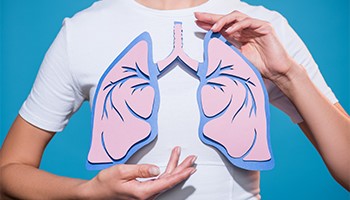
When you exercise, the two organs that do most of the work internally are your heart and lungs. The lungs are responsible for carrying oxygen throughout your body, which provides energy, and for expelling carbon dioxide.

When you are bodybuilding, your muscles work hard, which means you require double the oxygen and expel double the carbon dioxide. This increased demand leads to an increase in breathing from an average of 15 breaths per minute, corresponding to about 12 liters of air (when resting), to about 40-60 breaths a minute, which is over 100 liters of air.
When you have healthy lungs, you have a large breathing reservoir, which means you may feel like you are ‘out of breath’ but not gasping or short of breath.
Unhealthy lungs will have you reaching for your chest when you’ve pushed yourself too much in bodybuilding, leaving you feeling like you can’t breathe anymore.
A study was conducted to examine the effects of weight lifting on respiratory muscle strength and lung function with 51 male participants who went through resistance training. It was found that expiratory muscle strength influenced weightlifting performance, especially for deadlifts and squats.(1)
How does lung function affect bodybuilding?
Since bodybuilding is so intensive, people may often confuse running out of breath with bad lung health.
When you are tired, it’s a normal body response to feel that way; however, some instances can indicate unhealthy lungs, such as:
- Improper breathing techniques: Breathing may seem simple—you take a breath in and let one out—but when it comes to exercising, you need to use proper breathing techniques. This helps stabilize your core and avoids any strain on your respiratory system, which can affect your lung health over time.
- External stimulants: If you have allergies or respiratory conditions like asthma, being exposed to dust and air pollutants at the gym can affect lung function and limit your ability to perform your sets effectively
- Insufficient rest: You can overexert your lungs by forcing them to produce oxygen to energize your workout, which can lead to depleted lung capacity in the long run.
How does lung function affect Muscle Growth?
The energy required for workouts is fueled by oxygen supplied by the lungs. Here’s how it affects muscle growth:
- Aerobic Energy Systems: This system uses carbohydrates, fats, glucose, and protein to produce ATP (the energy currency of cells). This energy relies on oxygen to create ATP. Healthy lungs can ensure sufficient oxygen delivery to produce ATP, which helps in muscle contraction and sustained physical performance.
- VO2 Max: Healthy lungs contribute to higher VO2 max levels. VO2 max is a measure of maximum oxygen consumption during exercise. Athletes and bodybuilders need to have a good VO2 max level to improve their capacity and recovery during bodybuilding.
Signs of Poor Lung health in body-builders
If you’ve been on a bout of intensive training and feel that your lung capacity is compromised then here are a few signs that can help you identify it:
- Feeling short of breath constantly during workouts
- Excessive fatigue and exhaustion lead to prolonged recovery time between sets
- Coughing and respiratory discomfort
- Reduced ability to perform cardio
How to improve lung health?
If you’ve been struggling with your respiratory health lately here are some ways you can improve your lung health:
- Walking: easy to do, you can start by walking around in your own house then slowly step out and take rounds of your block and increase as your breathing gets better.
- Stretching: great way to warm up your body and avoid cramps. It also keeps your muscles active and your breathing level stable.
- Weight training: you do not have to power lift heavy weights, small hand-held dumbbells will do the job.
- Hydrotherapy: exercising in warm water can help build your lung capacity.

Nutrition for Healthy Lungs
- Foods rich in antioxidants, like spinach, berries, and nuts, can help prevent oxidative stress in the lungs and improve your respiratory health.
- Eating healthy fats, like Omega-3 found in flaxseeds or fish oil, can reduce inflammation in your lungs and provide a better supply of oxygen.
- Incorporating nitrate-rich foods can improve oxygen utilization and build endurance by enhancing blood flow to the muscles.
- Minimizing sodium intake is important, as it can lead to water retention, which may cause respiratory issues.
Conclusion:
Lung health isn’t just vital for bodybuilding; it’s essential for any workout regime, as it is the source of energy for anyone performing intensive exercise.
It is crucial that you keep your respiratory health in check and not overstrain it through training. If you have symptoms of respiratory distress, please contact your healthcare provider immediately for assistance.
FAQs:
1. What is the role of the lungs in exercise performance?
Lungs play an important role in exercise performance such as:
- Oxygen intake
- Carbon dioxide removal
- Managing breathing
- Endurance
2. Do the lungs limit exercise performance?
Yes, if your lungs are in poor health they cannot deliver enough oxygen for you to have stamina to sustain an intensive workout.
3. Why do athletes need good lungs?
Sports is a high intensive activity that requires good lung capacity to enhance overall performance.
4. How does lung capacity improve performance?
Improved lung capacity enhances performance by increasing oxygen intake, endurance, and overall breathing efficiency during exercise.
5. How does lung disease affect exercise?
Poor lung capacity can reduce lung function that decreases oxygen intake and impair carbon dioxide removal. Leading to fatigue, exhaustion and decreased physical activities like exercise.