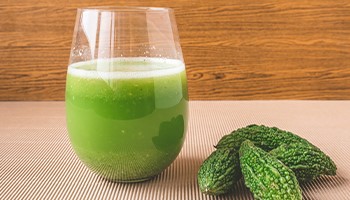
Karela juice, also known as bitter gourd juice, has gained popularity in recent years for its numerous health benefits. Bitter gourd, also called bitter melon, is a vegetable that has been used for centuries in traditional medicine, particularly in Asian and African cultures. Despite its strong, bitter taste, the benefits of karela juice make it a worthy addition to a balanced diet. In this blog, we will explore the advantages of bitter gourd juice, its nutritional value, potential side effects, and how to make it at home.
Bitter Gourd Nutritional Value:
Before diving into the benefits, it’s essential to understand the bitter gourd nutritional value that makes this juice so powerful. Bitter gourd is low in calories, with just 17 calories per 100 grams, but is packed with nutrients. It is rich in vitamins A, C, and E, as well as folate, potassium, and magnesium. It also contains a significant amount of dietary fiber, making it an excellent choice for improving digestive health (1).
The vegetable contains several active compounds, such as polypeptide-P, which has insulin-like properties, and momordicin, which contributes to its bitter taste and numerous health benefits. Bitter gourd is also an excellent source of antioxidants, which help fight free radicals and protect the body from oxidative stress.
Benefits of Karela Juice:
The benefits of karela juice are numerous, ranging from blood sugar regulation to improved digestion. Let’s take a closer look at the different health advantages of this powerful juice.


1. Blood Sugar Regulation
One of the most well-known benefits of drinking karela juice is its ability to regulate blood sugar levels. Karela contains polypeptide-P, an insulin-like compound that helps lower blood sugar levels. In a study, researchers found that bitter gourd extract significantly reduced blood glucose levels in patients with type 2 diabetes (2). This makes karela juice an excellent natural remedy for people looking to manage their blood sugar levels more effectively.
2. Weight Loss and Detoxification
Another use of karela juice is for weight loss and detoxification. The low-calorie content of bitter gourd, coupled with its high fiber content, makes it an ideal choice for those looking to shed some pounds. Fiber helps keep you full for longer, reducing the urge to snack between meals. Additionally, karela juice helps cleanse the liver, aiding in detoxification and improving overall health.
A study conducted by researchers at the University of Hong Kong found that bitter gourd extracts enhanced fat metabolism and reduced body weight in obese mice.
3. Boosting Immunity
The advantages of bitter gourd juice also include boosting immunity. Bitter gourd is rich in vitamin C, a powerful antioxidant that helps protect the body from infections and illnesses. Regular consumption of karela juice can help enhance the body’s defense mechanisms, reducing the likelihood of getting sick.

4. Improved Skin Health
Bitter gourd juice is also beneficial for skin health. Its antioxidant properties help fight free radicals, which can cause skin aging and damage. Karela juice can help treat various skin issues, such as acne, eczema, and psoriasis, due to its anti-inflammatory and antibacterial properties.
A study found that bitter gourd extract had anti-inflammatory effects on the skin, which could help reduce the symptoms of conditions like eczema and psoriasis. Drinking karela juice regularly may lead to healthier, clearer skin.
5. Digestive Health
One of the often-overlooked benefits of karela juice is its ability to improve digestion. Bitter gourd is high in dietary fiber, which aids in digestion and helps prevent constipation. Additionally, the natural compounds found in karela stimulate the secretion of digestive enzymes, which can help improve nutrient absorption and overall gut health.
6. Liver Health
The use of karela juice also extends to promoting liver health. Bitter gourd is known for its detoxifying properties, which can help cleanse the liver and improve its function. Regular consumption of karela juice may help prevent liver-related issues, such as fatty liver disease, by reducing the accumulation of fat and toxins in the liver.
How to Make Karela Juice:
Making karela juice at home is relatively simple, and it’s a great way to enjoy its health benefits without any added preservatives. Here’s a quick guide on how to make karela juice:
Ingredients:
1-2 medium-sized bitter gourds, 1 lemon (optional), A pinch of salt (optional), Water
Instructions:
- Wash the bitter gourds thoroughly and cut them lengthwise.
- Scoop out the seeds and white flesh from the inside.
- Chop the bitter gourds into small pieces.
- Add the chopped pieces to a blender along with a small amount of water.
- Blend until smooth, and strain the juice using a fine sieve or cheesecloth to remove the pulp.
- Add lemon juice and a pinch of salt if desired, to balance the bitterness.
- Drink it fresh, ideally on an empty stomach for maximum benefits.
Karela Juice Side Effects
While there are many benefits of drinking karela juice, it is essential to be aware of potential side effects. Karela juice side effects can occur, especially when consumed in large quantities or by individuals with certain health conditions.
1. Gastrointestinal Issues
One of the most common side effects of karela juice is gastrointestinal discomfort. Due to its strong, bitter taste, karela juice can cause stomach cramps, diarrhea, or nausea in some individuals. To avoid these issues, it’s best to start with a small amount and gradually increase the intake as your body gets used to the taste.
2. Hypoglycemia
Since karela juice is effective at lowering blood sugar levels, it can sometimes lead to hypoglycemia (low blood sugar), especially in individuals already taking medications for diabetes. It’s crucial to monitor blood sugar levels and consult a healthcare professional before incorporating karela juice into your daily routine if you are on diabetes medication.
3. Pregnancy Concerns
Pregnant women should avoid karela juice, as it may cause contractions and increase the risk of miscarriage. Bitter gourd contains compounds that may have a stimulating effect on the uterus, which could lead to complications during pregnancy.
Conclusion:
Karela juice, despite its bitter taste, offers a wide range of health benefits. From regulating blood sugar levels to improving digestion and boosting immunity, the advantages of bitter gourd juice make it a valuable addition to a healthy lifestyle.
With its rich bitter gourd nutritional value, karela juice has the potential to improve overall health and well-being. By incorporating this powerful juice into your diet, you can take advantage of its numerous benefits and enjoy a healthier lifestyle. Just remember to start slow, consume it on an empty stomach, and make adjustments to the taste as needed.
FAQs:
- What are the side effects of karela juice?
Some side effects of karela juice include gastrointestinal issues, hypoglycemia, and potential complications during pregnancy.
2. Is it good to drink karela juice daily?
Drinking karela juice daily can be beneficial, but it should be consumed in moderation to avoid potential side effects, especially if you have underlying health conditions.
3. Is Karela good for the kidneys?
Yes, karela can help support kidney health due to its detoxifying properties, but it should be consumed in moderation.
4. Which organ is bitter gourd good for?
Bitter gourd is particularly good for the liver, as it helps detoxify and improve liver function.
5. Does bitter gourd increase uric acid?
Bitter gourd does not typically increase uric acid levels and may help in managing uric acid due to its detoxifying properties.