
Yoga has been an integral part of Indian culture for centuries. Daily yoga has been linked to many health benefits such as improved muscle strength, flexibility, respiratory health and focus. But according to Ayurveda, regular yoga also helps to improve digestion and reduce digestion related issues like irritable bowel syndrome (IBS).
In this blog, we will understand how yoga helps to improve digestion. What are some of the yoga poses for digestion and how to perform them? So, get your yoga mat ready and incorporate the best yoga for digestion.
- How does Yoga help Digestion?
Before we move to yoga poses for digestion, let’s look at how yoga for digestion works. Yoga helps to regulate minor ailments and irregular bodily functions, and it helps to create a balance in the body that regulates metabolism. Certain yoga poses like Apanasana, Bhujangasana are effective remedies to try at home, to fix your general health and digestion.
- Yoga for Gut Health
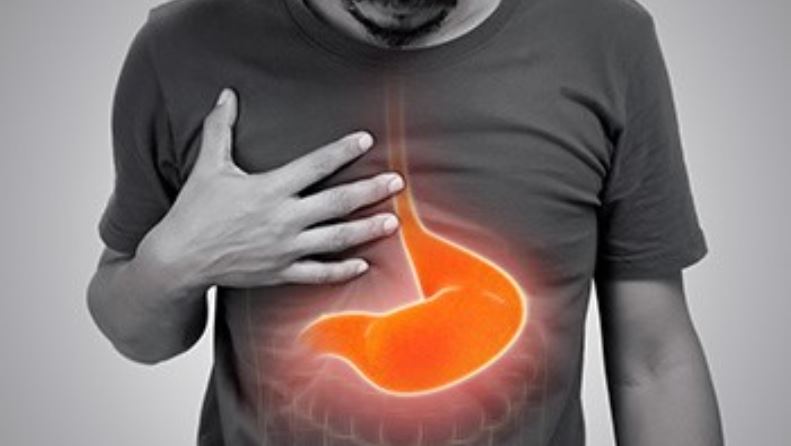
Yoga is excellent for the gut health. It helps to reduce stress, increase circulation, and promote physical movement, or motility, of the gastrointestinal (GI) tract.

- Irritable Bowel Syndrome
Irritable Bowel Syndrome or IBS is a disorder that interferes with the normal functions of the large intestine. The main symptoms of IBS are gas, bloating, diarrhea, and constipation. A study conducted on 208 participants found that participants who performed yoga for 12 weeks saw a significant improvement in IBS symptoms, suggesting yoga may play a complementary role in IBS treatment (1).
- Inflammatory Bowel Disease
Yoga may also help in the management of inflammatory bowel diseases, such as Crohn’s disease. There are some research that proves the benefit of yoga for constipation, but it should not replace medication.
What are the Best Yoga Poses for digestion?
Dhanurasana (Bow Pose)
This is often considered one of the best yoga poses for digestion. It stretches your back and aids digestion and constipation and alleviates menstrual cramps.
How to perform Dhanurasana
- Lie on your stomach with your hands at your sides, palms up, and your legs straight.
- Bring your feet as close to your buttocks as you can while bending your knees back. Gently grasp your ankles with your back. Make sure your hips and knees are the same width.
- Raise your thighs a little off the ground and draw your feet closer to your torso. Raise your head and chest simultaneously. Maintain a flat pelvis on the ground.
- Hold for four to five breaths. Follow a gentle stretch that feels comfortable for you if you are experiencing trouble breathing. Some folks could decide to omit this step.
-
Bhujangasana (Cobra Pose)
Bhujangasana helps to stretch your belly muscles and improve posture, and proponents say it supports general digestion.
How to Perform Bhujangasana
- To begin, lie on your stomach with your elbows bent, your feet hip-width apart, and your palms flat on the floor at your lower ribs.
- Stretch your feet till the tops of them touch the floor.
- Slowly raise your head and chest by pressing onto your hands. As you progressively straighten your arms, keep your elbows slightly bent. Drop your shoulders and roll them back. Instead of raising your chin, concentrate on raising your sternum.
- Focus on raising your chest and upper back forward while maintaining your pelvis on the floor.
- Without bending your neck too much or lifting your chin, look up a little. Hold for four to five breaths.
Ardha Matsyendrasana (Seated Twist)
The half-twisted motion of this asana helps to promote bowel regularity by aiding the small and large intestine in peristalsis. Ardha Matsyendrasana is ideal for people suffering from bloating. It is also ideal to improve the movement of food and waste through the GI tract.
How to Perform Ardha Matsyendrasna
- Sit with both legs straight on the floor. With your left foot on the ground, bend your left knee and cross it over your right knee or thigh. Stay planted with your left foot the entire time.
- Next, bend your right knee so that the sole of your right foot faces inward toward your left buttock while you gently lean on your right hip. You can maintain your right leg straight if this is too tough.
- As you slowly twist your trunk to the left, position your right elbow on the outside of your left knee. To the left of your buttocks, place your left palm on the ground.
- Make sure your neck is angled slightly over your left shoulder.
- Hold this posture while taking four to five deep breaths. Feel your spine lengthen with each inhalation. Repeat after switching sides.
Supta Matsyendrasana (Supine Spinal Twist)
It is one of the lesser-known asanas for digestion. Multiple yoga experts believe that this asana is great to remove gas and reduce bloating.
How to Perform Matsyendrasana
- Lie down on your back, also known as the supine position.
- With the soles of your feet flat on the ground, bend both knees. Raise your hips 1-2 inches (2.5-5 cm) off the floor and move them 1 inch (2.5 cm) to the right. When performing this maneuver, your hips will be able to stack as a result. Bring your hips back down to the ground.
- Grab your right knee and raise it to your chest while straightening your left leg.
- Bring your right knee over your left and twist softly to the left while maintaining a straight left leg. Let your knee fall gently over your left leg rather than pushing it to the floor.
- Place your right arm straight on the floor, perpendicular to your body, after bringing it back. For a longer stretch, take your left hand and lightly press on your right knee. Alternatively, maintain a straight left arm.
- For four to five deep breaths, hold this position. Repeat on the opposite side after that.
Apanasana (Knee to Chest)
Apanasana is a gentle movement that can be relaxing and relieve lower back strain. Experts believe it gently massages the large intestine to promote bowel movements.
How to Perform Apanasana
- With your legs straight, assume a supine position on your back.
- Using your arms to draw them closer, slowly bend your knees and bring them up to your chest.
- For four to five deep breaths, hold this position.
Parsva Sukhasana (Seated Side Bend)
This asana is great for people looking to stretch their obliques, belly muscles, lower and upper back, and shoulders. This stretch may help to alleviate bloating and gas and support general digestion.
How to Perform Parsva Sukhasana
- Sit on the floor, with your hands at your sides touching the floor and take a cross-legged position.
- Lean carefully to your right side after raising your left arm straight into the air.
- Hold your right forearm outstretched on the floor.
- Inhale and exhale slowly four to five times. Repeat after switching sides.

Marjaryasana-bitilasana (Cat-Cow)

This asana is a combination of cat pose and cow pose. According to the experts it helps to improve circulation and gently massage your organs to promote gut peristalsis.
How to Perform Marjaryasana-bitilasana
- With your neck and back flat, or with a neutral spine, begin on your hands and knees. Verify that your wrists and shoulders are in line, and that your knees and hips are in line.
- Go into Cow Pose to start. This is accomplished by tilting your pelvis such that your tummy moves downward, and your tailbone rises. Don’t forget to use your core.
- Raise your head by looking up and gently roll your shoulders back. Be careful not to put too much strain on your neck.
- Hold for 4-5 breaths
- Return to a neutral position
- With the soles of your feet pointed up, place the tops of your feet on the ground. To arch your back, tuck your tailbone in, pull your belly button against your spine, and roll your shoulders forward.
- Lower your head gently, letting gravity do the work rather than pushing it down.
- Hold for 4-5 breaths
- Repeat the entire asana 2-3 times
Jathara Parivartanasana (Belly Twist)
This is a simple asana that requires a simple twist motion that supports digestion by increasing circulation and promoting gut peristalsis.
How to Perform Jathara Parivartanasana
- To begin, lay on your back with your arms extended, feet flat on the floor, and knees bent. Move your hips to the right by about an inch (2.5 cm).
- Maintaining your knees and feet together, raise your feet off the ground.
- Bring your bowed legs to the left and rotate your hips. Maintain a flat upper back on the floor. Let gravity pull your legs down to the floor.
- Hold for 4-5 breaths
- Using your hands, raise your knees to your chest while gently bringing your hips back to their neutral position. After that, slowly extend your legs.
Shavasana (Dead Body Pose)
Shavasana is performed at the end of the yoga session as a cooling down exercise. This asana helps to relieve stress that releases any stress-induced tightness in the digestive system.
How to Perform Shavasana
- With your arms at your sides and your legs straight, lie on your back.
- Shut your eyes and inhale deeply for four counts, hold it for four counts, and then release it for four counts. Observe how your chest or stomach rises and falls with each breath to help you keep your attention on the breath and not distracting thoughts.
- Allow your body to naturally relax muscles.
- Continue to lie down for 5-10 mins
Conclusion
We hope this blog has helped you understand the benefits of yoga for your digestive system. While exercises like Surya Namaskar, Restorative Yoga and Pranayama are most popular, the poses mentioned above are excellent for digestion and metabolism. Try these yoga poses regularly and let us know in the comment section whether it helped to improve your digestion and gut health.
FAQs
1. Which yoga pose is best for digestion?
Dhanurasana or bow pose is the best for digestion.
2. Does yoga aid digestion?
Yes, yoga aids in digestion.
3. Is there a yoga pose for indigestion?
Yoga poses like Apanasana, Marjaryasana-bitilasana and Parsva Sukhasana help with indigestion.
4. When is the best time to do yoga for digestion?
According to the experts the best time to do yoga for digestion is after your meal.
5. Which yoga is best for stomach gas?
Cat and Cow pose is the best for stomach gas.