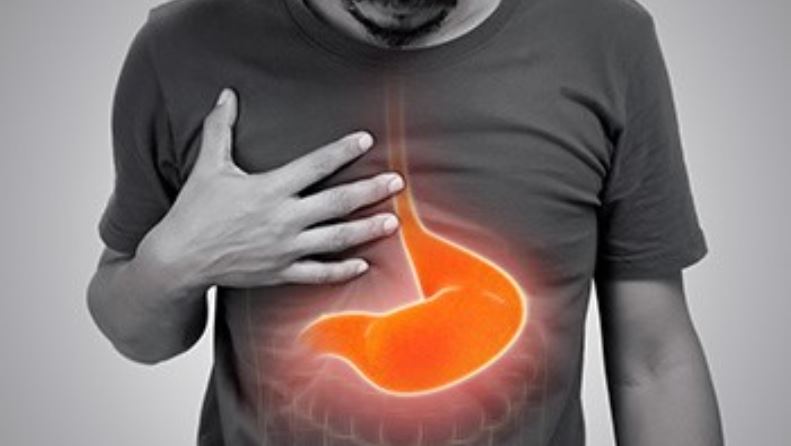
If you are suffering from diarrhea and vomiting followed by stomach pain the most likely cause is gastroenteritis. It is also known as the stomach flu caused by bacterial or viral infection. Gastroenteritis might be a short term illness that can be prevented by good old fashioned hand washing and cleanliness, it is important to understand everything about this condition.
In this blog we will deep dive into what gastroenteritis is. What are its common symptoms? What are the causes of gastroenteritis? How to treat gastroenteritis?
What is Gastroenteritis?
Gastroenteritis is inflammation of the stomach and intestine caused by bacteria or viruses. The symptoms of gastroenteritis include diarrhea, vomiting, abdominal pain, and sometimes fever. Gastroenteritis is not a serious condition and can be managed by proper hydration and resting. Medical attention may be required in some serious cases to prevent dehydration and manage symptoms.
What are the Types of Gastroenteritis?
There are three types of gastroenteritis bacterial, fungal and parasitic. Bacterial gastroenteritis is caused by bacteria like salmonella and E.coli. Viral gastroenteritis is the most common type caused by viruses like novo virus and rotavirus. Parasitic gastroenteritis is caused by parasites like Giardia and Cryptosporidium (1).


What are the Symptoms of Gastroenteritis?
- Diarrhea
- Vomiting
- Abdominal pain
- Fever
- Loss of appetite
- Muscle ache
What are the Causes of Gastroenteritis?
-
Viral Infection
The most common cause of gastroenteritis is viral infection caused by norovirus, rotavirus, adenovirus, and astrovirus. Viral gastroenteritis is responsible for 60% of gastroenteritis cases. They are highly contiguous spreading through contaminated food, water, or surfaces, as well as person-to-person contact.
-
Bacterial Infection
Several types of bacteria can cause gastroenteritis. These include
- Salmonella – found in eggs and poultry
- E. coli – found in undercooked beef, unpasteurized dairy products, contaminated produce, and contaminated water.
- Campylobacter – found in poultry and water
- Shigella – found in unsanitary condition and spread through fecal contamination.
- Cholerae – found in water and food in unsanitary places
-
Fungal Infection
Gastroenteritis caused by fungus is rare and easily treatable. The most common types of fungus that causes gastroenteritis are candida and Aspergillosis.
-
Parasitic Infection
Parasites like Giardia lamblia, Cryptosporidium, and Entamoeba are responsible for causing parasitic gastroenteritis. They are often found in contaminated water and food prepared in unsensitized places.
What is the Diagnosis of Gastroenteritis
-
Medical History
History of symptoms like diarrhea, vomiting, abdominal pain, fever are all indicators of gastroenteritis. If you are suffering from similar symptoms, then it could be the case of gastroenteritis infection.
-
Physical Examination
Physical examination like hydration status, abdominal tenderness, and overall condition can suggest gastroenteritis.
-
Stool Sample Analysis
If bacterial or parasitic gastroenteritis is suspected, then a stool sample examination is required. Stool examination can help to identify infectious agents such as bacteria, parasites, or their toxins. Stool sample testing includes culture, microscopy, antigen testing, or polymerase chain reaction (PCR) assays.
-
Blood Test
A blood test is needed to confirm gastroenteritis if symptoms like inflammation, dehydration and electrolyte imbalance are identified. The blood test can include a complete blood count (CBC), electrolyte panel, and C-reactive protein (CRP) levels.
What is the Gastroenteritis Treatment?
-
Fluid and Electrolyte Replacement
Replenishing fluid levels is the best way to manage gastroenteritis, especially in the case of diarrhea and vomiting. Diarrhea and vomiting lead to fluid and electrolytes loss. Consider taking an ORS supplement or an electrolyte supplement.
-
Dietary Adjustment
In case of acute gastroenteritis, a bland diet of foods like banana, rice, boiled potatoes is recommended for easy digestion. These foods help to settle upset stomach and provide nutrients without aggregating the symptoms. Avoid foods like spicy food, acidic foods and beverages that can irritate the stomach.
-
Medication
Gastroenteritis medicines are recommended based on the severity and causes of gastroenteritis.
- Antiemetic – Helps to reduce nausea and vomiting
- Antidiarrheal agents – Helps to control diarrhea
- Antibiotics – Helps to treat bacterial gastroenteritis
- Probiotics
Some research suggests probiotics can help to reduce the symptoms of gastroenteritis by restoring the balance of gut microbiota. Probiotic supplements like yogurt are an excellent choice for gastroenteritis.
-
Rest
Rest is essential to recover from gastroenteritis. Avoid strenuous activities and allow the body to recover from the infection.
-
Preventive Measures
Preventing gastroenteritis is easy. Just maintain good hygiene, such as frequent handwashing, especially after using the bathroom and before handling food. Avoid contaminated food and water.
Conclusion
Gastroenteritis is a common condition, and anyone can suffer from it. But young children and older people are more vulnerable to it due to their age and weak immune system. Gastroenteritis usually goes away within two to three days with simple medications and dietary changes.
FAQs
1. What are the don’ts of gastroenteritis?
Hare are things to avoid during gastroenteritis
- Avoid spicy and acidic food
- Avoid coffee
- Avoid alcohol and nicotin
2. What is the fastest way to cure gastroenteritis?
The fastest way to cure gastroenteritis is rest, hydrate, eat bland food and take medication.
3. How long does it take to recover from gastroenteritis?
Depending on the severity and causes of gastroenteritis it could take a few days to a couple of weeks to recover.
4. What are the risk factors for gastroenteritis?
The main risk factors for gastroenteritis are
- Age
- Diet
- Lifestyle
- Seasonal factors like weather