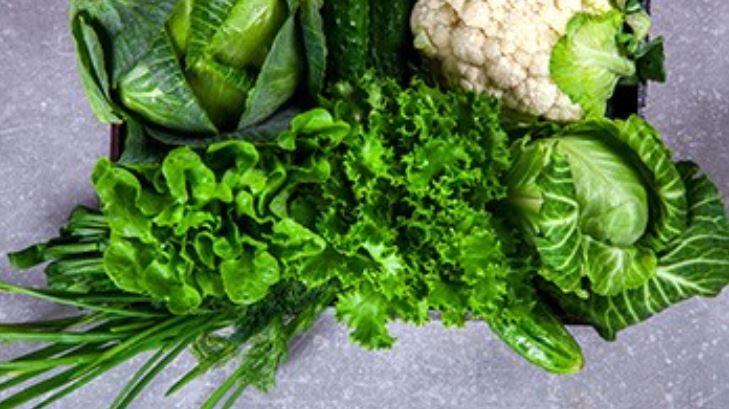
Green leafy vegetables provide multiple benefits to health, yet some people go out of their way to avoid them. They are full of important nutrients like protein, fibre, vitamins and minerals. Incorporating these healthy green vegetables helps you to manage weight, blood pressure, chronic diseases and mental health.
Incorporating green leafy vegetables into your diet can be both delicious and nutritious. Try sautéing spinach with garlic, blending kale into smoothies, or adding collard greens to soups.
Here are some of the best and healthiest leafy green vegetables.
1. Spinach
Spinach is a leafy green vegetable known for its vibrant color and nutrient-rich profile. Incorporating spinach into your daily diet is easy and versatile. Add it to smoothies, salads, omelets, soups, or sauté it as a side dish. Spinach is packed with vitamins A, C, K, and folate, along with minerals like iron, calcium, and magnesium. Its high antioxidant content helps combat oxidative stress, while its fiber aids digestion and promotes gut health. Regular consumption of spinach may contribute to improved eye health, stronger bones, reduced risk of chronic diseases, and overall well-being.
2. Broccoli
Broccoli is a cruciferous vegetable renowned for its dense clusters of green florets. To incorporate broccoli into your daily diet, steam or roast it as a side dish, add it to stir-fries, soups, salads, or pasta dishes. Broccoli is rich in vitamins C, K, and folate, as well as minerals like potassium and manganese. Its potent antioxidants, such as sulforaphane, may help reduce inflammation, lower the risk of cancer, and promote heart health. Additionally, broccoli’s fiber content aids digestion and supports weight management, while its abundance of nutrients contributes to overall immunity.


3. Cabbage
Cabbage is a cruciferous vegetable with dense leaves and a mild flavor. In Indian cuisine, cabbage can be incorporated into daily meals by making dishes like cabbage sabzi, cabbage curry, or cabbage paratha. It can also be added to sambar, salads, or used as a filling for dosas. Cabbage is rich in fiber, vitamins C and K, and antioxidants, offering numerous health benefits. It aids digestion, supports weight management, and may lower cholesterol levels. Additionally, cabbage contains compounds like glucosinolates, which have anti-inflammatory and potential anti-cancer properties, making it a valuable addition to a balanced diet.
4. Turnip Greens (Shalgam)
Turnip greens are the leafy tops of the turnip plant, often overlooked but packed with nutrients. In the diet, turnip greens can be incorporated by cooking them as a sabzi (vegetable side dish), adding them to dal (lentil soup), or mixing them into curries. They can also be used in parathas or as a filling for stuffed bread. Turnip greens are rich in vitamins A, C, and K, as well as calcium, iron, and antioxidants. They promote eye health, strengthen bones, aid in digestion, and contribute to overall immune function and well-being.
5. Radish
Radish is a root vegetable known for its crisp texture and peppery flavor. Radish can be incorporated by grating it into salads, making radish parathas (flatbread), or cooking it in curries and stir-fries. It can also be pickled or added to a raita (yogurt-based side dish). Radishes are low in calories and high in fiber, vitamin C, and potassium. They aid digestion, promote hydration, and may help regulate blood pressure. Additionally, radish greens, when consumed, provide similar health benefits as turnip greens, including being a good source of vitamins A, C, and K, and minerals like calcium and iron.
6. Swiss Chard
Swiss chard is a leafy green vegetable with vibrant, colorful stems and tender leaves. In the Indian diet, Swiss chard can be incorporated by sautéing it with spices and garlic as a side dish, adding it to dal or curries, or using it in place of spinach in recipes like palak paneer or dal palak. Swiss chard is rich in vitamins A, C, and K, as well as minerals like magnesium and potassium. Swiss chard is also rich in a unique flavonoid known as syringic acid, which has the potential to help decrease blood sugar levels (1).
7. Amaranth Leaves
Amaranth is a leafy green vegetable that belongs to the family Amaranthaceae. Amaranth leaves, also known as “chaulai,” can be incorporated by cooking them as a sabzi (vegetable side dish), adding them to dal (lentil soup), or mixing them into curries. Amaranth helps to improve immune health, vision, bone strength, and blood pressure regulation. Amaranth also provides antioxidant benefits that protect against oxidative stress and lower the risk of chronic diseases. The high fibre content of Amaranth helps to aid digestion, promote bowel movement and reduce cholesterol levels.

8. Basella
Basella, also known as Malabar spinach or vine spinach, is a leafy green vegetable with tender leaves and stems. Basella can be used in making sabzi, soups, stews, and omelets. Besella is rich in vitamins A, C, and iron. Vitamin A improves healthy vision, while vitamin C boosts the immune system and iron helps in red blood cell production. Besella with its antioxidant properties helps protect against cellular damage and reduce the risk of chronic diseases. Besella also provides cooling properties and can potentially lower body heat, making it a popular ingredient in traditional Indian summer coolers (2).
9. Indian Lettuce
Indian lettuce refers to various types of lettuce that are commonly grown and consumed in India. These may include varieties like iceberg lettuce, romaine lettuce, and leaf lettuce. In the Indian diet, lettuce can be incorporated by using it as a base for salads, adding it to sandwiches and wraps, or including it in dishes like chaat and burgers. Lettuce is low in calories and rich in vitamins A, C, and K, as well as folate and fiber. It promotes hydration, aids digestion, supports heart health, and may help in weight management.
10. Fenugreek Leaves (Methi)
Methi, also known as fenugreek, is a popular herb and spice in Indian cuisine. It is characterized by its small, green leaves and distinctive bitter flavor. Methi offers numerous health benefits. It aids digestion, reduces inflammation, and regulates blood sugar levels. Methi also promotes heart health by lowering cholesterol and triglyceride levels. Additionally, it may help with weight management, improve lactation in nursing mothers, and enhance skin and hair health due to its nutrient-rich composition.
11. Purslane (Kulfa)
Purslane, known as “Kulfa” in Hindi, is a leafy green vegetable with succulent leaves and a slightly tangy flavor. In the Indian diet, purslane can be incorporated by cooking it as a sabzi (vegetable side dish), adding it to dal (lentil soup), or mixing it into curries and stir-fries. Purslane provides vitamins A, C, and E, which support healthy skin, boost the immune system, and protect against oxidative stress. Purslane is also rich in omega-3 fatty acid content, contributing to heart health and reducing inflammation.
12. Indian Pennyworth (Brahmi)
Brahmi is a medicinal herb commonly used in Ayurvedic medicine. It can be easily incorporated in morning tea. Brahmi is believed to have numerous health benefits, including improving memory and cognitive function, reducing anxiety and stress, and promoting hair growth. Brahmi is also beneficial for improving sexual health.
13. Moringa (Drumstick Leaves)
Moringa, also known as drumstick tree or Moringa oleifera, is a nutritious plant native to India. In the Indian diet, Moringa can be incorporated by adding its leaves to curries, dals (lentil dishes), soups, and stir-fries. Moringa leaves can also be used to make chutneys, salads, or teas. Additionally, Moringa powder can be mixed into smoothies, juices, or yogurt. Moringa is rich in vitamins, minerals, antioxidants, and protein. It offers numerous health benefits, including boosting immunity, reducing inflammation, improving digestion, promoting heart health, enhancing skin and hair health, and supporting overall well-being.
14. Indian Sorrel
Indian sorrel, also known as Gongura, is a leafy vegetable commonly used in Indian cuisine. It has a tangy flavor and is often used to prepare chutneys, pickles, and curries. Indian sorrel contains vitamins A and B-complex, along with minerals like calcium and iron, which are essential for maintaining overall health. It is also a good source of vitamin C which is essential for boosting the immune system. Indian sorrels provide antibacterial properties, so they are extensively used for removing bacteria from the body (3).
15. Kale
Kale is a preferred choice of people who are health freaks. Kale is a rich source of potassium, fiber, folate, and calcium. A 100g serving of kale also provides over 100% of the daily value for vitamin C. Kale provides multiple health benefits including improving eyesight, heart health, reducing blood pressure and improves bone health. Kale can be consumed as a healthy crunchy snack, add into homemade pesto, hummus, or smoothies.
16. Collard greens
Collard green is a part of the cruciferous vegetable family. It contains essential vitamins like vitamin A and vitamin C along with minerals like zinc, folate, magnesium and potassium. Collared green can help to improve bone health, reduce the risk of cancer and improve digestive health.
17. Beet greens
People think they are only supposed to eat the red part of the beet and throw away the green part. But the green part of the beet known as beet green is also essential for health. They are a good source of vitamin B and vitamin C. They also contain lycopene, beta carotene and retinol. Beet green helps to boost immunity, lowers blood pressure, improves eye health and bone health.
19. Watercress
Watercress is another healthy green vegetable that is quite popular in India. Watercress is known for its high vitamin K content. One serving of vitamin K can provide 106% of the daily value. It provides antioxidant benefits that help to prevent chronic diseases. It also helps to reduce the risk of cancer. Watercress is beneficial to prevent osteoporosis.
20. Romaine lettuce
Romain lettuce is a type of lettuce popular in salad dressing. It is a great vegetable for hydration as it contains 65% water. It also provides important minerals like iron, potassium, magnesium and calcium. It is also rich in vitamin A, C, K. Romain lettuce helps to provide antioxidant benefits to prevent cell damage, improves heart health, helps to maintain fluid balance and improve eye health.
21. Arugula
Arugula is originally from mediterranean but also gaining popularity in India. Arugula is high in calcium, folate, vitamin C and potassium. Arugula is known for reducing the risk of cancer-like breast, lungs, prostate and bladder.
22. Endive
Endive is a low-calorie green vegetable that is high in fiber, vitamins A, C and K, and folate. It also assists in digestion, strengthens the immune system, enhances the health of the heart due to its antioxidants, and helps to manage weight. Moreover, its high water level helps to stay hydrated as well as maintain skin.
23. Bok choy
Bok choy is a nutrient-dense vegetable packed with vitamins A C and K calcium and folate. It supports pearl health boosts exemption and promotes good digestion appropriate to its character happy. Rich in antioxidants, bok choy also helps reduce inflammation and supports heart health and overall well-being.
Conclusion
Leafy green vegetables contain vital and potent nutrients essential for optimal health. Luckily, numerous leafy greens are available throughout the year, and integrating them into meals is straightforward. To harness the multitude of health advantages offered by leafy greens, ensure to incorporate a diverse range of these veggies into your daily dietary intake.
FAQs
1.What leafy green is a Superfood?
Kale is often considered a superfood due to its exceptional nutritional profile, rich in vitamins, minerals, antioxidants, and phytonutrients, contributing to its numerous health benefits.
2. What are the 5 green leafy vegetables?
The best 5 types of green leafy vegetables are kale, spinach, broccoli, methi (fenugreek leaves) and cabbage
3. What is the healthiest leafy green?
Spinach is often regarded as one of the healthiest leafy greens due to its abundance of vitamins, minerals, antioxidants, and phytonutrients, offering various health benefits when consumed regularly.
4. What is the best green vegetable to eat everyday?
Kale is often recommended as an excellent green vegetable to eat daily due to its high nutrient content, including vitamins, minerals, antioxidants, and fiber, promoting overall health and well-being.