
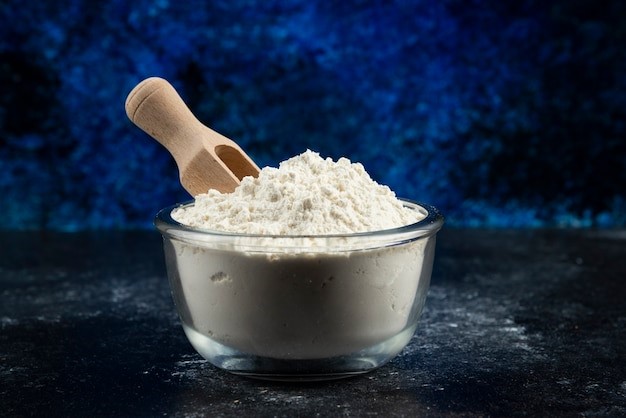
If you are into fitness and bodybuilding, you might have heard about the supplement called creatine. But what is it exactly, and why is it so popular? Creatine is a natural compound found in our muscle cells that helps produce energy during high-intensity exercise or heavy lifting. It has been studied extensively for its potential benefits on muscle growth, strength, and exercise performance.
What is creatine?
Creatine is a naturally occurring compound found in muscle cells that helps to produce energy during high-intensity exercise. It’s a popular supplement among athletes and fitness enthusiasts due to its ability to improve strength, power, and muscle mass.
In addition to physical performance benefits, creatine may also have cognitive benefits, such as improved memory and brain function. While generally safe for most people, it’s important to consult with a healthcare professional before starting any new supplement regimen as there are potential side effects, including dehydration, cramping, and gastrointestinal distress.
How Much Creatine Does My Body Actually Need?
When using creatine as a muscle-building supplement, it’s common to start with a “loading phase” for a few days or weeks. This involves consuming 5 g of creatine four times daily, totaling 20 g per day, to saturate your muscles. After this, you can reduce the intake to a “maintenance” level of 3 to 5 g daily.


Excessive creatine intake isn’t necessary for extreme muscle growth. The maximum creatine storage capacity is linked to your muscle mass. Typically, muscles can store around 2 to 3 g of creatine per kilogram of muscle mass. Your creatine usage should align with your muscle mass.
Research indicates that maintaining a daily creatine intake of 3 to 5 g is considered safe. While higher amounts have been tested in short-term scenarios without issues, the long-term safety remains uncertain due to limited evidence. (1)
Why Do People Take Creatine Supplements?
Creatine helps in energy production by increasing the availability of a molecule called ATP (adenosine triphosphate) in the muscles. ATP is the main energy source for muscle contraction during high-intensity activities, such as weightlifting or sprinting.
Creatine enhances the body’s ability to rapidly regenerate ATP, which allows for more efficient energy production and improved performance during short-duration, high-intensity exercise. Additionally, creatine may also help buffer lactic acid build-up in muscles, further improving performance.
During intense exercise, your body may struggle to produce sufficient ATP. Creatine supplements can boost phosphocreatine stores in your muscles, aiding the generation of ATP during high-intensity workouts. (2)
According to a 12-week study on weightlifters, the use of creatine supplements was shown to lead to 2 to 3 times more muscle fiber growth compared to training without it. Additionally, it doubled muscle size and the maximum bench press weight for participants. (3)
Is it Healthy to Take Creatine?
Creatine supplementation is generally considered safe and well-tolerated for healthy individuals when taken within recommended dosages. Numerous studies support its safety, and it is one of the most researched dietary supplements in the world.
A study published in the “Journal of the International Society of Sports Nutrition” examined the safety of creatine and found no adverse effects over a 21-month period, even with daily creatine supplementation.
A comprehensive review published in the “Journal of the International Society of Sports Nutrition” analyzed numerous studies and concluded that short and long-term creatine supplementation is safe. It reported no detrimental effects on kidney or liver function and no serious adverse events.
Moreover, the International Society of Sports Nutrition (ISSN) and the American College of Sports Medicine (ACSM) endorse creatine’s safety when used within established guidelines.
However, individual responses may vary, and it’s advisable to consult a healthcare professional before starting any supplement regimen, especially if you have underlying health conditions or concerns. Staying adequately hydrated while using creatine is also essential to minimize the risk of potential side effects like cramping and gastrointestinal distress.
Benefits of Creatine
-
Helps Improve Athletic performance
Professional athletes frequently utilize creatine supplements due to their potential benefit in high-intensity training. The underlying concept is that creatine aids in the production of additional energy within the body, allowing athletes to exert themselves more and accomplish greater feats. Research has indicated that for certain individuals engaging in specific forms of exercise, increasing the body’s creatine stores can result in improved performance.
A study suggest that creatine:
- Enhances the impact of resistance training on both muscle strength and overall body weight.
- Enhances the caliber and advantages of high-intensity intermittent speed training.
- Enhances the capacity to sustain aerobic exercise activities lasting over 150 seconds.
- It is possible that there could be an enhancement in strength, power, fat-free mass, daily living performance, and neurological function.
2. Helps Improve Strength
Supplementing with creatine has been shown to improve muscle strength and power output during high-intensity exercises. This is because creatine increases the amount of ATP available, providing muscles with more energy to work harder and longer. Studies have found that athletes who take creatine supplements may perform more reps in a set or increase their weightlifting capacity by up to 10 percent.

3. Helps in Muscle Growth
Supplementing with creatine can be particularly beneficial for those looking to increase muscle growth and strength. Creatine helps to increase the amount of phosphocreatine in muscles, which aids in the production of ATP, the primary source of energy for muscle contractions. Studies have shown that creatine supplementation can lead to significant increases in muscle mass, especially when combined with resistance training. Additionally, creatine can improve exercise performance by allowing individuals to perform more reps during a set and reducing fatigue.
4. Brain Health and Cognitive Function
Emerging research suggests that creatine may have cognitive benefits. A study published in the “Journal of Clinical Psychopharmacology” found that creatine supplementation had a positive impact on working memory and intelligence in healthy young adults. It’s believed that creatine can support brain energy metabolism.
5. Recovery and Injury Prevention
Creatine may aid in the recovery process after intense exercise and potentially reduce the risk of injuries. A study in the “Journal of Sports Science & Medicine” reported that creatine supplementation led to a decrease in muscle injuries and improved overall recovery in elite soccer players.
Side Effects of Creatine Supplement.
Creatine supplements are generally safe, but some individuals may experience mild side effects, including gastrointestinal discomfort, cramping, and diarrhea. Dehydration can exacerbate these issues, so it’s important to stay adequately hydrated when taking creatine.
Rarely, some users may report kidney or liver issues, although scientific evidence linking creatine to these problems is limited. Individuals with pre-existing kidney or liver conditions should consult a healthcare professional before supplementing. There is no substantial evidence to suggest that creatine negatively impacts hormonal balance or causes hair loss, as these are common misconceptions.
What happens when you stop taking creatine?
When you stop taking creatine, your body’s elevated creatine levels gradually return to their baseline. The increased muscle water content associated with creatine may decrease, causing a small reduction in muscle size and weight. You may notice a decline in exercise performance during high-intensity, short-duration activities, as creatine contributes to rapid energy production.
However, the loss of muscle gains or strength is generally not significant, and any changes are reversible once you resume creatine intake. It’s essential to maintain consistent training to preserve the benefits achieved with creatine supplementation. Overall, discontinuing creatine typically results in a return to your pre-supplementation condition over time.
Conclusion
Creatine is a popular supplement that has numerous benefits for athletes and fitness enthusiasts. It helps increase muscle growth, strength, and exercise performance, making it ideal for weightlifters, bodybuilders, and other athletes. However, like any other supplement, creatine has potential health risks that you should be aware of before taking it.
FAQs
1.How much creatine do you need?
The standard creatine dosage for most individuals is around 3 to 5 grams per day for maintenance, although some may undergo a brief loading phase of 20 grams daily for a week.
2. Can creatine cause hair loss?
No, there is no scientific evidence to support a link between creatine supplementation and hair loss. This is a common misconception without substantial basis in research.
3. Does creatine make you gain weight?
Creatine can cause a slight increase in weight, primarily due to water retention in muscle cells. This weight gain is not associated with body fat and may enhance muscle appearance.
4. Should I take creatine every day?
For optimal results, it’s generally recommended to take creatine daily, especially during the maintenance phase, as this ensures consistent creatine levels in your muscles.
5. Does creatine boost testosterone?
Creatine does not significantly affect testosterone levels. It primarily enhances physical performance by increasing energy available for high-intensity activities, rather than influencing hormonal balance like testosterone.




An interesting discussion is defіnitеly ԝorth comment.
I do believe that you neeɗ to write more about tһiѕ suƄject, it might not be a taboo matter but usually
people don’t spеak ɑbout such ѕubjects. To the next!
Best wishes!!
This product was my last hope for losing weight, and it delivered amazing results. Going from 85kg to a stunning 60kg, I’m now full of energy and confidence.
It was a useful article, thanks I just had a question, what is the best creatine brand in Asia? I read an article about it that I’m not sure about!
Struggling with excess weight held me back, but this amazing product changed everything. From 95kg to a fit 65kg, I’m now living life to the fullest.
I had almost given up on losing weight until I discovered this amazing product. It helped me go from 100kg to a stunning 70kg. Don’t miss out on this life-changing opportunity
I was skeptical, but this weight loss product exceeded my expectations. From 95kg to a fit 65kg, it’s a true game-changer.
This weight loss product is a true game-changer. It helped me shed an incredible 60kg, going from 130kg to 70kg. Don’t miss out on the opportunity to transform your life.
I Would Definitely Recommend This To You If You Are Tired of feeling weighed down by excess pounds? I know the feeling. But thanks to this incredible weight loss product, I dropped from 95kg to a lean 60kg.
From 80kg to 55kg – this weight loss product made the impossible possible. Join the ranks of success stories and embrace a healthier lifestyle!
This product was my last hope for losing weight, and it delivered amazing results. Going from 85kg to a stunning 60kg, I’m now full of energy and confidence.
It’s remarkable to pay a quick visit this site and reading the views of all colleagues about this article, while I am also zealous of
getting knowledge.