
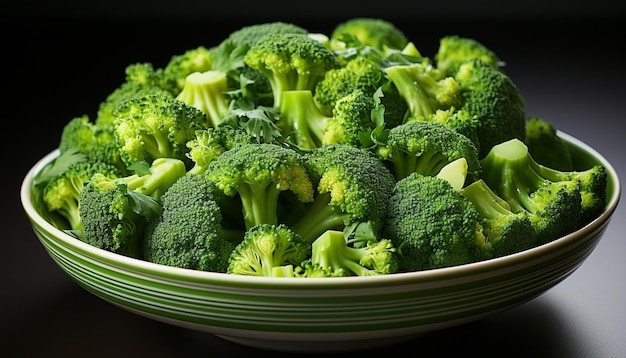
Broccoli: The Mighty Little Green Powerhouse
Often relegated to the realm of childhood dinner time battles, broccoli deserves a place of honor on your plate. This unassuming cruciferous vegetable packs a powerful nutritional punch, boasting an impressive array of vitamins, minerals, and unique plant compounds. Beyond its characteristic mild, slightly bitter flavor, broccoli offers a multitude of health benefits that can significantly contribute to your overall well-being.
Decades of research have shed light on the remarkable properties of broccoli. From supporting a healthy immune system to potentially reducing chronic disease risk, this versatile vegetable can be a valuable addition to your dietary routine. Whether enjoyed raw, steamed, roasted, or incorporated into various dishes, broccoli’s hidden potential extends far beyond its humble appearance.
Interesting history of Broccoli Vegetable
The unassuming broccoli vegetable has a surprisingly long and interesting history. Its journey begins in the eastern Mediterranean and Asia Minor, where wild cabbage, the ancestor of broccoli and many other cruciferous vegetables, thrived thousands of years ago.
The Etruscans, an ancient Italian civilization known for their horticultural skills, are believed to have cultivated Broccoli around the 6th century BCE. Selective breeding over time led to the development of several distinct cabbage relatives, including broccoli. While Romans likely enjoyed a similar vegetable, the specific “broccoli” we know today emerged in southern Italy or Sicily.


The name “broccoli” comes from the Italian plural of “broccoli,” which translates to “the flowering crest of a cabbage.” The Latin term “brachium,” meaning arm, branch, or shoot, also contributes to the vegetable’s name.
Broccoli’s popularity remained largely confined to Italy for centuries. It wasn’t until the 18th century that it gained recognition in other parts of Europe, with France being the first to document its presence in 1560. England received its introduction to broccoli a century later, with Philip Miller’s 1724 “Gardener’s Dictionary” referring to it as a “stranger” and explaining it as “sprout Cauli-flower” or “Italian asparagus.”
The journey across the Atlantic brought broccoli to the American colonies in the 19th century, primarily through the efforts of Italian immigrants. However, widespread acceptance in the United States wasn’t achieved until the early 20th century. Today, broccoli holds a prominent position in supermarkets worldwide, recognized for its unique flavor and remarkable health benefits.
Broccoli scientific name
The scientific name for broccoli is Brassica oleracea var. italic.
This classification indicates:
- Genus: Brassica (cabbages and related vegetables)
- Species: Brassica oleracea (includes cabbage, cauliflower, kale, Brussels sprouts, and broccoli)
- Variety: italica (identifies broccoli specifically within the Brassica oleracea species)
What are the broccoli benefits?
1. Boosts Immunity
Broccoli’s benefits extend beyond its delicious taste and versatility in recipes. With its remarkable richness in vitamin C, broccoli stands out as a potent ally in bolstering immune function. This essential nutrient not only aids in the production of white blood cells, crucial for fighting off pathogens, but also acts as a powerful antioxidant, scavenging harmful free radicals and supporting overall immune resilience. Incorporating broccoli into your diet as a regular part of your meals can fortify your body’s natural defenses, helping to ward off infections and illnesses more effectively. Embracing broccoli benefits not only contributes to a stronger immune system but also promotes overall health and well-being.
2. Supports Heart Health
Broccoli’s remarkable benefits aren’t limited to its delicious taste; it’s also a digestive health powerhouse. Its abundant fiber content promotes smooth digestion and regular bowel movements, keeping your digestive system in top shape. What’s more, the presence of protein in broccoli complements its fiber content, contributing to overall digestive well-being. By incorporating broccoli into your diet, you’re not just savoring its flavor; you’re also supporting a healthy gut and digestive system for optimal well-being.
3. Promotes Digestive Health
Broccoli’s impressive nutritional profile extends to promoting digestive health, with its substantial fiber content facilitating smooth digestion and regular bowel movements. Additionally, the presence of protein in broccoli complements its fiber content, further supporting overall digestive well-being.
4. Aids in Weight Management
Embracing the benefits of eating broccoli goes beyond mere weight management. Its low-calorie, high-fiber nature not only aids in curbing hunger but also promotes satiety, reducing the temptation for calorie-dense snacks. By incorporating broccoli into your meals, you’re not just supporting your weight goals but also nourishing your body with essential nutrients for overall health and vitality.
5. Improves Bone Health
Broccoli is a good source of vitamin K and calcium, both of which are essential for maintaining strong and healthy bones. Broccoli offers a unique combination of nutrients that support overall skeletal integrity. Vitamin K aids in proper calcium utilization, ensuring calcium is effectively deposited into bones. This synergy between vitamin K and calcium in broccoli not only strengthens bones but also helps maintain bone density, reducing the risk of fractures and osteoporosis. By regularly including broccoli in your diet, you’re not just fortifying your bones; you’re investing in long-term skeletal health and resilience
6. Supports Eye Health
Incorporating broccoli into your diet isn’t just beneficial for your taste buds; it also offers remarkable advantages for your eyesight. Broccoli is rich in antioxidants like lutein and zeaxanthin, known for their protective effects against age-related macular degeneration and cataracts. By including broccoli in your meals, you’re not only savoring its flavor but also safeguarding your vision and supporting overall eye health for years to come.
7. Detoxifies the Body
Broccoli’s remarkable detoxifying properties stem from its abundance of sulfur compounds, particularly sulforaphane. These compounds play a pivotal role in supporting the body’s natural detoxification processes, aiding in the elimination of toxins and harmful substances. By incorporating broccoli into your diet, you’re providing your body with essential nutrients to effectively cleanse and rejuvenate, promoting overall health and well-being from within.
8. Reduces Cancer Risk
Broccoli stands out as a formidable ally in the fight against cancer, thanks to its wealth of antioxidants and phytochemicals. These compounds have been extensively studied for their role in reducing the risk of various cancers, including breast, prostate, and colon cancer. By incorporating broccoli into your daily diet as part of a balanced meal plan, you’re taking proactive steps to fortify your body’s defenses against cancer, promoting long-term health and well-being (1).
9. Supports Brain Health
Including broccoli in your diet isn’t just beneficial for your taste buds; it’s also a smart choice for supporting brain health. Broccoli is packed with antioxidants and vitamin K, both of which play crucial roles in maintaining cognitive function and promoting overall brain health. Research suggests that regular consumption of broccoli may help protect against age-related cognitive decline, enhance memory, and improve focus. By making broccoli a regular part of your meals, you’re nourishing your brain and supporting optimal cognitive function for a sharper mind and enhanced well-being.
10. Improves Skin Health
Incorporating broccoli into your diet isn’t just beneficial for your overall health; it also works wonders for your skin. Broccoli is rich in vitamin C and other antioxidants that promote collagen production and shield the skin from damage caused by free radicals and UV radiation. By consuming broccoli regularly, you’re not only nourishing your skin but also supporting its natural radiance and vitality. Say hello to healthy, glowing skin with the help of this nutrient-packed vegetable.
11. Regulates Blood Sugar Levels
Broccoli isn’t just a delicious addition to your meals; it’s also a valuable ally in managing blood sugar levels. Thanks to its fiber and antioxidants, broccoli helps regulate blood sugar, making it particularly beneficial for individuals with diabetes or insulin resistance. By including broccoli in your diet, you can help stabilize blood sugar levels and reduce the risk of complications associated with diabetes. Embrace the power of broccoli to support your journey towards better blood sugar control and overall well-being.
12. Reduces Inflammation
Broccoli isn’t just a versatile vegetable in the kitchen; it’s also a potent weapon against inflammation in the body. Packed with anti-inflammatory compounds, broccoli helps combat inflammation, a common factor in chronic diseases like heart disease, arthritis, and diabetes. By incorporating broccoli into your diet, you’re not only enjoying its delicious flavor but also taking proactive steps to lower inflammation levels and promote overall health and well-being. Embrace the power of broccoli as a natural ally in your fight against inflammation and chronic disease.
13. Supports Liver Health
Broccoli isn’t just a tasty addition to your plate; it’s also a superhero for your liver. Loaded with sulfur compounds, broccoli aids in liver detoxification processes, safeguarding this vital organ from damage caused by toxins and oxidative stress. By making broccoli a regular part of your diet, you’re not only supporting optimal liver function but also promoting overall detoxification, keeping your body healthy and thriving. Embrace the power of broccoli to nurture your liver and enhance your overall well-being.
14. Enhances Hair and Nail Health
Broccoli isn’t just a delicious vegetable; it’s also a secret weapon for promoting healthy hair and nails. Packed with essential vitamins and minerals like vitamin C, vitamin A, and biotin, broccoli nourishes hair follicles and strengthens nails from within. By including broccoli in your diet, you’re providing your body with the nutrients it needs to reduce brittleness, prevent breakage, and support robust hair and nail growth. Embrace the power of broccoli for luscious locks and strong, beautiful nails that shine from the inside out.
15. Boosts Energy Levels
Broccoli isn’t just a tasty vegetable; it’s also a natural energy booster. Loaded with essential nutrients like vitamin C, vitamin B6, and iron, broccoli supports energy metabolism and production in the body. By consuming broccoli regularly, you can combat fatigue and maintain optimal energy levels, keeping you feeling revitalized and ready to tackle the day ahead. Embrace the power of broccoli to fuel your body and keep your energy levels soaring throughout the day.
Final Words
Incorporating broccoli into your diet is a simple yet powerful step towards a healthier you. From bolstering your immune system and promoting heart health to aiding in weight management and enhancing cognitive function, the potential benefits of broccoli are undeniable.
Explore the versatility of this green giant. Enjoy it raw, steamed, roasted, or incorporated into various dishes.
FAQs:
1. What is the main benefit of broccoli?
Broccoli is packed with nutrients and antioxidants that support overall health. Its main benefit lies in its ability to boost immunity, promote heart health, and reduce the risk of chronic diseases.
2. What are the top 5 nutrients in broccoli?
The top 5 nutrients in broccoli are vitamin C, vitamin K, fiber, folate, and potassium. These nutrients play crucial roles in supporting various bodily functions, including immunity, bone health, and digestion.
3. Can we eat broccoli daily?
Yes, broccoli is a nutritious vegetable that can be consumed daily as part of a balanced diet. Its low calorie and high nutrient content make it an excellent addition to meals for overall health and well-being.
4. Is broccoli good for your organs?
Yes, broccoli is good for your organs as it contains compounds like sulforaphane and glucosinolates, which have been linked to lower the risk of certain cancers and support liver health. Its high fiber content also aids in digestion, benefiting digestive organs.
5. What are the 2 major vitamins or minerals in broccoli?
Two major vitamins or minerals in broccoli are vitamin C and vitamin K. Vitamin C is an antioxidant that boosts immunity and collagen production, while vitamin K is essential for bone health and blood clotting.
6. Is broccoli a protein or vitamin?
Broccoli is primarily known for its vitamin content rather than being a significant source of protein. While it does contain some protein, its main nutritional value lies in its vitamins, minerals, and antioxidants.



Your blog post was a valuable source of information. I appreciated the depth of your research and the way you explained complex concepts in a clear and concise manner. To gain further insights, click here.
Thank you for sharing this insightful and well-researched blog post. The information you presented was thorough and comprehensive, and I appreciated the depth of your analysis. To delve deeper into this subject, click here.