Birth Control: What is it? What are the Different Types? And Things to consider

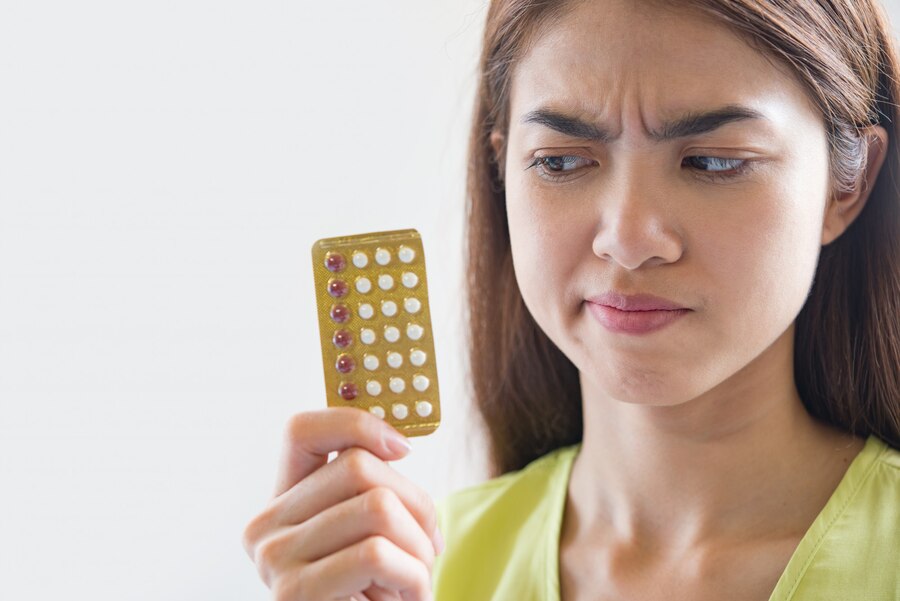
If you are a sexually active women and want to avoid getting pregnant then you must know about different birth control methods. Contraceptives also known as birth control is a great way for family planning for women.
There are a wide variety of birth control methods available for women, each with its own set of benefits and risks. Some of the most common methods include hormonal methods, such as the birth control pill and the patch, as well as barrier methods, like the condom and diaphragm. Long-acting methods, such as the intrauterine device (IUD) and the implant, are also becoming increasingly popular.
Additionally, it is important to keep in mind that even though birth control methods are effective, they do not protect against sexually transmitted infections (STIs) and so it is important to use condoms in conjunction with any birth control method to prevent STIs.
What are Different Types of Women Contraceptive Method?
1. Hormonal Methods
Hormonal methods are the most popular ways to avoid pregnancy. Hormonal methods can be used alone or in combination with barrier methods like condoms. Hormonal methods prevent pregnancy by pregnancy by preventing release of the egg from ovaries. This prevents sperms from fertilizing the eggs. While hormonal methods are most effective on how to avoid pregnancy after sex, it is important to remember they do not protect against sexually transmitted diseases (1).


-
Birth Control Pill
How it is used – The birth control pill is taken once daily at the same time
Effectiveness – if taken correctly birth control pill is 99% effective
Benefits
- Easy to use
- Safe and Effective
- Can be discontinued at any time
- Other benefits such as fewer menstrual cramps, lighter periods, clearer skin and possibly lower risk of some cancers
Possible Side Effects
- Must be taken each day at the same time for effectiveness
- Interaction with other medications like antibiotics may impact efficacy
- May lead to breast tenderness and headaches
- The Morning After Pill
How it is used – Once consumed, the emergency contraceptive pill prevents or delays ovulation. It is best to take these pills within 3 days of sexual intercourse, but you can take them within 5 days as well.
Effectiveness – It is effective 89% if taken in three days and 95% if taken within 24 hours.
Benefits
- Easy to Use
- Safe and Effective
- Effective as a backup method in case of broken condom or missed birth control pill
- Some brands are available over the counter without doctor’s prescription
Possible Side Effects
- Must be taken within 3-5 days of sexual intercourse
- Not recommended for routine use
- Less effective for people with BMI over 30
- Possible side effects include unexpected bleeding, nausea, headaches.
-
Hormonal intrauterine device (IUD)
How it is used – A small device is placed in the uterus which releases progesterone
Effectiveness – More than 99%
Benefits –
- Last upto 3 to 5 years
- Can be removed anytime
- Can be kept private
- Don’t need to remember to take pill
Possible Side Effects
- Side effects such as cramping and bleeding
- Birth Control Implants
How it is Used – A small implant is placed under the arm that provides hormones
Effectiveness – More than 99%
Benefits-
- Last upto 5 years
- Can be removed anytime
- Can be kept private
- Don’t need to remember to take pill
Possible Side Effects
- Side effects such as cramping, weight gain, breast tenderness, abdominal pain, irregular periods
- Birth Control Shots
How it is Used – An injection of progestin needs to be taken every 12 weeks
Effectiveness – 94% and Higher
Benefits –
- Safe and effective
- No periods and fewer menstrual cramps
- Can be kept private
Possible Side Effects
- May delay fertility after it stopped
- Risk of osteoporosis is higher if used for more than 3 years
- Birth Control Patch
How it is Used – A patch is placed on your skin that releases progestin and estrogen and changed every four weeks
Effectiveness – 91% Effective
Benefits –
- Easy to use
- Can be kept discreet
- Safe and effective
- May help in reducing periods and menstrual cramps, clearer skin, may reduce risk of certain cancers
Possible Side Effects –
- Interaction with other medication may make it less effective
- May take 1-2 months for normal menstruation to resume once stopped taking birth control patch
- Vaginal Ring
How it is Used – a small ring is placed in the vagina that releases birth control hormones and is changed after three weeks
Effective – 99% effective when used correctly
Benefits –
- Easy to use
- Can be inserted at home
- May have lighter periods, fewer menstrual cramps, clear skin
Possible Side Effects –
- Interaction with some medication may impact its effectiveness
2. Spermicidal Method
This method involves using of chemicals to kill sperm. These are generally less effective than hormonal methods and needs to be combined with barrier method like condoms. Like hormonal method spermicidal methods also doesn’t protect against sexually transmitted diseases (2).
-
Diaphragm or cervical cap
How it is Used – Silicon cups with spermicide are placed in vagina or over the cervix
Effectiveness – 77% to 88% Effective
Benefits –
- Easy to use
- Can be kept private
- Safe
- Can be inserted at home
Possible Side Effects
- Must be inserted every time before sex
- May be difficult to insert
- Should not be used while menstruating
- May cause allergic reaction
-
Spermicide
How it is Used – A form of cream, gel or foam that contains nonoxynol-9, inserted into the vagina to kill sperm
Effectiveness – 72% Effective
Benefits –
- Available over the counter
- Can be used one hour before sex
Possible Side effects
- May cause allergic reaction
- Yeast infection medication may make it less effective
-
Copper Intrauterine Device (IUD)
How it is Used – A small copper and plastic device is placed in the vagina with copper as a spermicide
Effectiveness – More than 99%
Benefits –
- Effective up to 10 years
- Can be removed anytime
- Safe and effective
- Can be kept private
Possible Side Effects
- Side effects such as cramping and irregular bleeding
-
Birth Control Sponge
How it is Used – a small disc-shaped device is placed to cover cervix area and kill sperm
Effectiveness – 76% to 78% effective
Benefits –
- Safe and simple to use
- Can be kept private
- Can be inserted 24 hours before sex
Possible Side Effects
- May cause irritation
- Must be kept inside for six hours after the sex
- Must be removed within 24 to 36 hours after sex
3. Barrier Method
Barrier methods physically prevent sperm reaching and fertilizing eggs. Barrier methods like condoms are the most used method to prevent unwanted pregnancy. Benefits of condoms include preventing sperm from entering the vagina, protecting against any sexually transmitted disease and providing a pleasurable sexual experience (3).
-
Condoms
How it is Used – A latex product that goes over the penis and catches sperm
Effectiveness – 85% to 95% effective
Benefits –
- Also protect against sexually transmitted diseases
- Safe and easy to use
- Available over the counter
- Easily disposable
Possible Side Effects
- May alter sensation during sex
- Latex can cause allergy is the long lasting condoms side effects
- Must use new every time
- Vasectomy
How it is Used – Tube that carry sperm to penis is surgically cut and blocked
Effectiveness – Successful surgeries are 100% effective
Benefits –
- Effective
- Low risk of complication
- Quick Recovery
Possible Side Effects
- Surgeries may not always work
- Does not protect against sexually transmitted disease
4. Natural Birth Control Method
Natural methods of birth control do not rely on any product or medical procedure to prevent pregnancy. They involve natural family planning for men and women. Natural methods do not have any side effects but are also less effective than hormonal and barrier method (4).
-
Withdrawal Method
How it is Used – It involves pulling out just before ejaculation
Effectiveness – 100% effective if done correctly
Benefits –
- Easy to practice
- No cost
Possible Side Effects
- Does not protect against sexually transmitted diseases
- Needs high level of self-control
-
Rhythm Method
How it is Used – It involves tracking of menstrual cycles over time to help determine your most and least fertile days.
Effectiveness 75% to 80%
Benefits
- Safe
- Easy to do at home
- Control over procedure
- No cost
Possible Side Effects
- Requires training and knowledge about menstrual cycle
- Irregular cycle can make it difficult to track
Conclusion
While choosing the best birth control option take certain things like effectiveness, reversibility, compatibility, other benefits and side effects. Always consult a doctor if you are planning to start taking any pills or before undergoing any procedure.
When it comes to birth control methods, there are many options available for women. Hormonal methods, such as the birth control pill, patch, and vaginal ring, prevent pregnancy by stopping ovulation. Barrier methods, like condoms, diaphragms, and cervical caps, physically block the sperm from reaching the egg. Long-acting reversible methods, such as the intrauterine device (IUD) and the implant, are highly effective and can be used for several years.
FAQs
1. What is the best birth control for women?
The best birth control for women depends on their reproductive goals. The best method could be hormonal method, barrier method, spermicidal method or natural method.
2. What is the safest form of birth control?
Using a condom is the safest form of birth control.
3. What is the best natural birth control?
The best natural birth control involves tracking menstrual cycle to find the best days to have sex.
4. Which birth control has the least side effects?
Condoms have the least side effects followed by IUDs
5. What are natural birth control methods?
Natural blood control methods for women are abstinence, withdrawal method, tracking PMS cycle and cervical mucus method.




Great work on your blog post! The content was well-researched and presented in an accessible manner. I appreciated the practical tips and suggestions you provided.
Hi to all, for the reason that I am in fact eager ofreading this webpage’s post to be updated on a regular basisIt contains good material