
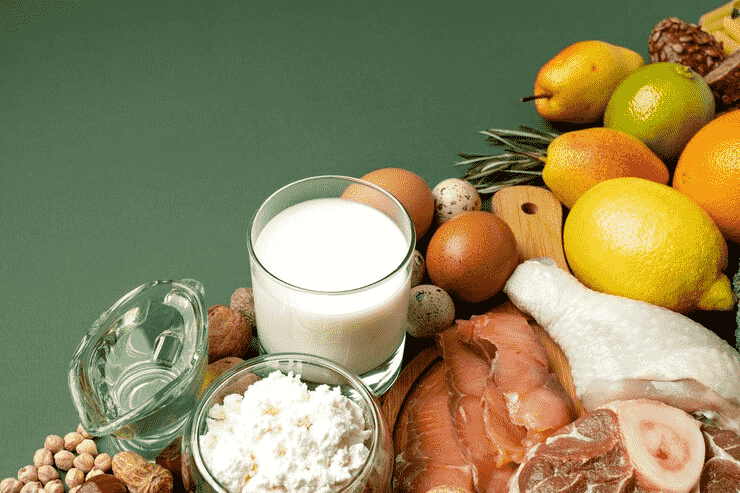
What are Probiotic Foods?
Probiotic foods are products containing live beneficial microorganisms, primarily bacteria and yeast, which support a healthy gut microbiome when consumed. These foods offer numerous health benefits, such as improved digestion and nutrient absorption, enhanced immune system function, and reduced inflammation. Probiotics may also alleviate conditions like irritable bowel syndrome and diarrhea, and they potentially aid in weight management. Incorporating probiotic-rich foods into your diet can promote overall well-being by fostering a balanced gut microbiota.
Types of Probiotic Bacteria:
- Lactobacillus acidophilus
- Lactobacillus bulgarius
- Lactobacillus reuteri
- Streptococcus thermophilus
- Saccharomyces boulardii
- Bifidobacterium bifidum
- Bacillus subtilis
Benefits of Probiotic Foods
Probiotics provide several health benefits, such as improved digestion and gut health, strengthened immunity, and reduced inflammation. They may alleviate gastrointestinal issues, enhance nutrient absorption, and help maintain a balanced microbiome. Probiotics also show promise in promoting mental well-being and preventing certain chronic diseases, like irritable bowel syndrome, obesity, metabolic syndrome and diabetes.
Best Probiotic Foods
-
Yogurt
Yogurt is one of the best probiotic foods. Probiotics like lactic acid bacteria and bifidobacterial produce yogurt by fermenting milk. Yogurt provides multiple health benefits like improved bone, heart, and gastrointestinal health. It also helps to reduce the risk of diabetes, reduces the risk of colon cancer and improves weight management (1).
Yogurt contains live probiotic bacteria which can get killed if you process it too much. Yogurt can also be consumed by lactose intolerant people as the bacteria converts the lactose into lactic acid.


-
Tempeh
Tempeh are basically fermented soy products. Tempeh is rich in protein and is an excellent substitute for meat. Natural soybeans are high in phytic acids which can inhibit the absorption of certain minerals. However, tempeh has a lower amount of phytic acid which may increase the amount of minerals your body can absorb from tempeh. It also produces vitamin B12.
-
Pickles
Pickles are a good source of probiotic foods which are cucumbers preserved in a solution of salt and water. Fermented pickles are rich in lactic acid bacteria. This gives pickles a sour taste. Probiotic bacteria in pickles helps to improve digestive health. They are also low in calories and rich in vitamin K, an essential nutrient for blood clotting.
-
Buttermilk
Buttermilk is a common drink in an Indian household. Buttermilk is low in fat and calories and contains vitamins and minerals, such as Vitamin B12, Riboflavin, Calcium and Phosphorus. Choose the naturally fermented buttermilk as it contains probiotics rather than a tetra pack from the supermarket.
-
Cheese
Cheese which is fermented for a longer period of time like cheddar, mozzarella, or gouda may contain higher levels of probiotics. Cheese is a highly nutritious food. It is a great source of protein. It also provides important vitamins and minerals like Calcium, Magnesium, Zinc, Selenium and Vitamin A, B6, B12, K. Some studies found that cheese may even lower your risk of heart disease and osteoporosis.
-
Kombucha
Kombucha is a popular green tea drink. Kombucha helps to reduce the risk of cancer, diabetes, and other diseases (2). Kombucha is a highly fermented drink with probiotics.
-
Apple Cider Vinegar
Apple Cider Vinegar is a good source of probiotics. It is made by crushing apples and allowing yeasts to ferment the natural sugars into acetic acid. The bacteria that get produced during the fermentation are called “MOTHER” a collection of proteins, enzymes and friendly bacteria.
Apple Cider Vinegar helps in weight management by improving gut health. It also helps to reduce cholesterol and control blood pressure.
-
Sauerkraut
Sauerkraut is a popular food that is finely shredded cabbage that has been fermented by lactic acid bacteria. Other than being an excellent source of probiotics sauerkraut is rich in fibre as well as vitamins C and K. Sauerkraut also provides antioxidants lutein and zeaxanthin, which are important for eye health.

What are Prebiotic Foods?
Prebiotic foods are high-fiber, non-digestible compounds found in certain foods that serve as nourishment for beneficial gut bacteria. They include foods like garlic, onions, leeks, asparagus, and bananas. Prebiotics promote a healthy gut microbiome by stimulating the growth and activity of probiotic bacteria.
Their benefits include improved digestion, enhanced nutrient absorption, and reduced inflammation. Prebiotics may also contribute to a stronger immune system and help regulate blood sugar levels. By supporting the growth of beneficial gut bacteria, prebiotic foods play a vital role in overall digestive health and can potentially alleviate various gastrointestinal issues while fostering general well-being.
Benefits of Prebiotics
Prebiotic foods offer essential benefits by nourishing beneficial gut bacteria. They support digestive health, improve nutrient absorption, and strengthen the immune system. Prebiotics can help reduce inflammation, regulate blood sugar levels, and promote satiety, aiding weight management. They also contribute to better mental well-being and may lower the risk of chronic diseases.
Best Prebiotics Foods
-
Garlic
Garlic is often use in Indian cooking. Garlic acts as a prebiotic by promoting the growth of beneficial Bifidobacteria in the gut. It also helps prevent disease-promoting bacteria from growing.
Compounds present in garlic reduce the risk of cardiovascular diseases, have anti-tumor effects, and lower blood glucose levels.
-
Banana
An unripe banana is rich in resistance in starch which has prebiotic effects. Banan is also rich in vitamins, minerals, and fiber, and they contain small amounts of inulin.
-
Onions
Onions are a versatile food that has multiple health benefits. Onions are rich in Fructooligosaccharides or FOS. FOS helps to strengthen gut flora, helps with fat breakdown, and boosts your immune system by increasing nitric oxide production in cells. Onions also have antioxidant and anticancer properties.
-
Oats
Whole grain oats are excellent prebiotic foods. They are a great source of beta-glucan fibre that helps to lower bad cholesterol, reduce the risk of cancer, and improve healthy gut bacteria. Oats also help to control appetite thus, helping in weight management.
-
Apples
Apples are delicious fruits rich in fibre. It contains pectin, a type of soluble fiber, which offers prebiotic benefits. One study found that pectin increases butyrate, a short-chain fatty acid that feeds beneficial gut bacteria and decreases the population of harmful bacteria (3).
-
Barley
Barley is a popular cereal which is rich in beta-glucan. Beta-glucan is a prebiotic fibre that helps promote the growth of healthy bacteria in your digestive tract. Beta-glucan in barley is also helpful in lowering blood sugar levels and reducing the risk of cardiovascular diseases.
-
Asparagus
Asparagus is a great source of prebiotics. This nutritious vegetable contains inulin that helps to improve your digestive health and helps your body maintain optimum levels of glucose and insulin. Inulin also helps to support friendly bacteria in the gut, such as Bifidobacteria and Lactobacillus (4).
-
Kiwi Fruit
Kiwi fruit is a great choice to be included in your diet if you want to increase your prebiotic intake. It is rich in polyphenols, plant chemicals that have been shown to have prebiotic activity. Kiwi also helps to improve gut flora and help you poop better.
Conclusion
The main difference between prebiotic and probiotic is Prebiotics are non-digestible fibers found in certain foods that nourish beneficial gut bacteria, while probiotics are live microorganisms, like bacteria and yeast, found in foods that directly add beneficial microbes to the gut. Incorporating both in your daily diet can help you promote a healthy digestive system.



Incredible points. Sound arguments. Keep up the good work.
After looking at a handful of the blog articles on your site, I honestly appreciate your technique
of writing a blog. I saved it to my bookmark website list and will be checking back in the near future.
Take a look at my website too and tell me your opinion.
I really like and appreciate your blog articleReally thank you! Cool
Your blog post was a valuable resource that provided a fresh perspective on the subject. I appreciated the way you highlighted different viewpoints and encouraged critical thinking. To delve deeper into this subject, click here.
I’m impressed with the quality of your blog post. The information provided was well-organized and easy to follow.