
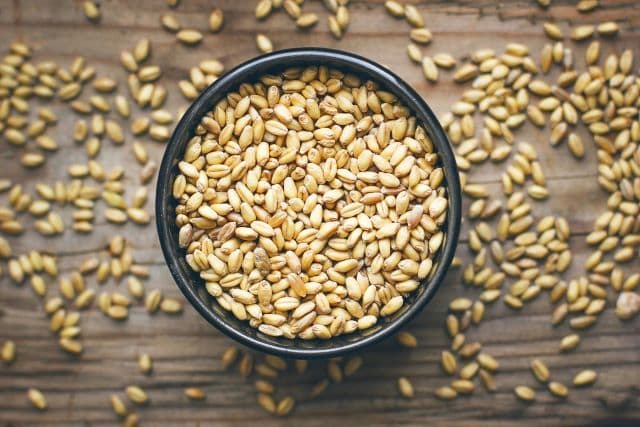
Barley was the first ever cultivated grain in Fertile Crescent (a crescent-shaped region in the Middle East) and was domesticated about 8000 BCE. This ancient grain is more than just a breakfast soup bowl; studies have linked the consumption of barley benefits and side effects to potentially reducing the risk of certain diseases such as cancer
Barley is low in calories and rich in fiber, it is also packed with vitamins and nutrients. The bran content in hulled barley is incredibly beneficial. Barley also has several health and beauty benefits.
Barley Health Benefits
1. Rich in many nutrients
Barley is nutrient-dense which makes for a satisfactory first meal of the day. It is packed with essential minerals such as selenium (prevents cell damage from factors such as aging etc), copper and tryptophan (regulation of various physiological mechanisms), and manganese (helps regulate blood sugar).
All these good nutrients keep you full and satisfied for the better part of the day. Manganese in the barley also helps calm the nervous system which keeps you happy and energetic.
Several studies have shown consumption of chapati made from barley atta allows individuals to have better control of their sugar level and insulin response.
2. Helps in weight loss
Barley is excellent for weight loss. Barley helps to reduce hunger and promote a feeling of fullness which is important for weight loss. Per serving of 100g barley contains 354 calories compared to other grains it has a lower calorie level.
Barley contains a soluble fibre called beta-glucan which forms a gel-like substance in your gut, which slows the digestion and absorption of nutrients. In turn, this curbs your appetite and promotes fullness (1).
3. Helps to improve digestion
Barley is rich in dietary fiber, particularly beta-glucan, which promotes healthy bowel movements and prevents constipation. The fiber in barley also acts as a prebiotic, supporting beneficial gut bacteria and overall digestive health.
A four week study found that eating more barley improved bowel function and increased stool volume.
4. Helps to stabilize blood sugar levels
High blood pressure is a known cause of cardiovascular disease, and barley water benefits the body by regularising blood pressure and effectively helps reduce atherosclerosis (build-up of fat, cholesterol, and other substances on the artery wall). A study has shown that whole grains like barley can help reduce blood pressure (2).
5. Helps to improve immunity
Barley is rich in plant lignans that possess a steroid-like chemical structure. The attributed health benefits to these lignans include lowered risk of cardiovascular diseases, osteoporosis, menopausal symptoms, and breast cancer (3).
These lignans are good for your intestines and support your immunity. Barley is also rich in Vitamin C which helps keep the immune system good.
6. Helps to protect against diabetes
Consuming barley may help protect against diabetes. Barley is a whole grain rich in fiber, which slows down the absorption of sugar and improves insulin sensitivity. Additionally, barley contains beta-glucan, which has been shown to lower blood sugar levels and reduce the risk of type 2 diabetes.
Research shows that a barley breakfast provides a lower maximum rise in blood sugar and insulin levels than a breakfast consisting of other whole grains, such as oats (4).
7. Helps to reduce arthritis symptoms
The copper in barley may help reduce the symptoms of rheumatoid arthritis (autoimmune inflammatory disease). The free radicals are disarmed by the copper, hence helping in cell regeneration. The cross-linking of elastin and collagen through copper makes joints and bones more flexible.
8. Helps to Prevent Cancer
Barley is rich in fiber, particularly insoluble fiber, which adds bulk to stool and helps it move more quickly through the colon, reducing the risk of colorectal cancer. Also, barley contains antioxidants and phytochemicals associated with lower cancer risk.
9. Helps to repair and develop body tissue
Barley is rich in phosphorus (a mineral that naturally occurs in the body that helps maintain blood pH within a normal range) which helps aid in cell regeneration. Phosphorus helps in forming bones and is an essential building block of the genetic code. Chronic deficiency of phosphorus in the body can lead to bone loss, and in cases of severe hypophosphatemia may cause cardiac and respiratory failure (5).
Conclusion
Barley is an exceptionally nutritious grain, rich in vitamins, minerals, and advantageous plant substances.
Furthermore, its high fiber content contributes significantly to its health advantages, including improved digestion, decreased appetite, and support for weight management.
Moreover, incorporating barley into your regular diet may provide defense against chronic ailments like diabetes, cardiovascular issues, and specific forms of cancer.
FAQs
1. Is it good to eat barley everyday?
Incorporating barley into your daily diet can be beneficial due to its rich nutritional profile and potential health benefits, including improved digestion, weight management, and reduced risk of chronic diseases.
2. What are five uses of barley?
Barley has versatile uses:
- As a nutritious grain for cooking soups, stews, and pilafs.
- Malted barley for brewing beer and whiskey.
- Ground into flour for baking bread and cakes.
- Used as animal feed.
- Processed into barley grass supplements for health.
3. Who should not take barley?
Individuals with gluten sensitivity or celiac disease should avoid barley due to its gluten content. Additionally, those with barley allergies or intolerances should refrain from consuming barley products.
4. Can I drink barley water daily?
Yes, you can drink barley water daily as part of a balanced diet. It offers hydration, nutrients, and potential health benefits, but moderation and variety in your fluid intake are also important.




Great topic, please keep it up I really enjoy reading these type articles.