Extreme fad diets have convinced people that “eating healthy” is hard & complicated, however, it is the simplest thing you can do once you are aware of all the healthy things you’ve already been eating that just need to be systematically organised into your daily routine.
Let’s take away your negative association of “healthy food” with “boring, bland & tasteless food” with our ultimate guide of strategies that will help you eat healthier every day.
15 simple strategies for eating healthier
Fruits & vegetables
A study states that an adequate intake of fruits and vegetables can help reduce the risk of many non-communicable diseases (autoimmune diseases, heart diseases, cancer etc.) (1)
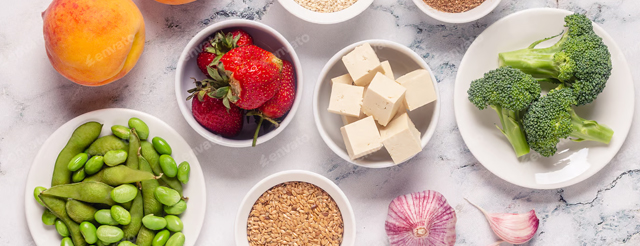
The basics of healthy eating begin with the inclusion of a plethora of fruits and vegetables that are rich in vitamins C & A, minerals and electrolytes for natural hydration. They are also an excellent source of dietary fibre and antioxidants (2)


A good way to secure maximum nutrients from a bowl of fruit or vegetables is to “eat a rainbow” which essentially means your plate should consist of a variety of colourful fruits and vegetables.
Tip
If you are beginning your journey into eating more vegetables but the sight of whole vegetables on your plate seems unappetising then try the “soup method” which means roasting your vegetables and blending them up to make a smooth gravy or soup-like base that can be added to your pasta rice or simply enjoyed with bread.
Whole Grains
Whole Grains are full of nutrients such as vitamins, fibre, minerals and antioxidants and are vital for maintaining overall health.
A study observed that consumption of about 2-4 servings of whole grains per day can significantly reduce the risk of CVD, obesity, and Type 2 diabetes. (3)
Have your pantry stocked with a bunch of essential whole grains such as barley, quinoa, oats, millets etc, that are not only versatile but full of protein, fibre, and antioxidants and are easy to work with.
Lean Proteins
Green protein is a type of protein that is low in calories and fat, making it an excellent choice for those trying to maintain a healthy diet or lose weight.
A lean meat protein contains about 10 g of total fat is fewer than 4.5 g or less saturated fat per portion of 100 grams
Tip
You can start switching up your white bread for whole grain bread, white rice with brown rice, sugary cereals with oatmeal and refined flour pasta for whole wheat pasta.
Healthy Fats
Healthy fats play a vital part in a balanced diet. They are the source of macronutrients that your body needs in large amounts to function properly. The three main types of healthy fats are:
- Monounsaturated- commonly found in cooking oils such as olive oil, grape seed oil and avocado oil
- Polyunsaturated- found in vegetable oils, fatty fish, nuts and seeds, and fortified foods.
- Omega-3 fatty acids- commonly found in flaxseeds, Chia seeds, walnuts, and fatty fish.
Tip
Replace your regular cooking oil with heart-healthy oils such as walnut oil, olive oil & avocado oil.
Eliminate Processed foods
Processed foods, despite their easy availability and affordable prices, are extremely bad for your health as they carry risks such as obesity, heart disease, diabetes, nutrient deficiency, gut microbiome disruption and inflammation.

Additionally, they are high in added sugar, artificial preservatives, trans fats and refined carbohydrates. While controlled eating can be okay, however, it is strongly advised you strive to eliminate them from your diet.
Tip
If you are craving a bowl of noodles, opt for whole wheat or buckwheat noodles with a stir-fried assortment of veggies with protein of your choice and a delicious yet healthy meal is ready!
Hydration
Staying hydrated is an essential part of overall health and well-being. Water helps the body with digestion, nutrient absorption and temperature regulation, keeping our energy levels steady and helping with cognitive function.
A good diet goes hand-in-hand with being hydrated at all times.
Tips
You can set up goals post every meal to consume at least a litre of water. This will keep you feeling full until your next meal and avoid snacking while keeping you hydrated.
Portion Control
Portion control is the key to maintaining a healthy diet avoiding overeating can prevent excessive intake of calories and help manage your weight more efficiently.
Tip
Using smaller plates or bowls will trick your mind and satisfy the tick of having eaten a full plate while keeping the size small.
Meal prep
Meal preps are excellent when you are on a time crunch or live a busy lifestyle where you often end up eating out.
Preparing nutritious meals of your choice in advance will help you keep track of your calorie intake as well as have healthy meals ready on the go.
Tip
Create a harmony of veggies, carbs and protein of your choice to have a well-balanced meal each time.
Scheduled eating
Skipping meals causes more harm than good, it is important to eat your meals at regular intervals to regulate blood sugar levels, maintain energy levels and avoid excessive hunger pan that could lead to bingeing
Tips
Eating every day at the same time can help establish a routine and get your body used to feeling hunger at timed intervals.
Healthy snacking
Snacking doesn’t necessarily have to be fried foods or highly processed carbs they are simply fillers before meals and can be just as nutritious and filling as a meal.
Tips
If you are craving fries, you can opt for sweet potato fries that are highly nutritious and full of fibre that will help keep you full until your meal.
Conscious of food labels
Reading labels are essential in ensuring you know what goes in your food. Checking the nutritional content against others will help you make an informed and responsible choice. This way you can also monitor your intake of fats, calories, sugars and other nutrients.
Tips
Pay attention to calories per serving along with nutrients like fat, carbs, protein and sugar. Try to choose foods with the most minimal and natural ingredients with no additives or preservatives.
Home cooking
Nothing beats a wholesome home-cooked meal! You source all the ingredients which ensures all of them are high quality, you can control what goes in which means there aren’t unnecessary elements that can be harmful.
Tips
Plan your menu a week ahead, so you have enough time to get the ingredients as well as not lose motivation due to the stress of not having any ideas on the day of cooking.
Eliminate sugary beverages
Sugary beverages provide a moment’s joy but contribute to empty calories and cause health issues like tooth decay and weight gain.
Tips
If you crave a sweet sugary drink you can opt for drinks that are sweetened with stevia or herbal tea.
Self-control
This might be the hardest step, but you must maintain a sustainable lifestyle of healthy eating habits.
Tips
Be mindful of what you eat and make conscious healthy choices until it becomes a habit for you to naturally choose the healthier options.
Seek support
The ultimate reinforcement is having a good support system. You can seek help from professionals like nutritionists or dietitians to provide accountability, guidance and encouragement.
Tips
You can set up goals with your friends to reach a certain level of healthy eating and keep track of each other’s progress to help with accountability and encouragement.
Conclusion
While eating healthy may seem intimidating at first, being consistent with simple strategies will help you form a habit of eating healthier foods.
If you are struggling to form a pattern or plan by yourself, you can reach out to your healthcare professional for assistance.
FAQs
1. How to be healthier in 30 days?
The best way to get in shape in 30 days is to adapt to an active lifestyle like cycling, jogging, or going to the gym followed by eating healthy and having a good sleep cycle.
2. What are the Top healthy eating habits?
Top healthy eating habits:
- Adding greens to your diet
- Replacing vegetable oils with seed oils
- Eating more protein
- Choosing whole-grain foods
- Avoiding sugars
- Avoiding processed foods
- Controlling your portion sizes