Abdominal bloating is the uncomfortable sensation of fullness, tightness, or swelling in the abdomen. It can be caused by various factors, including overeating, gas accumulation from digestion, constipation, food intolerances (such as lactose or gluten intolerance), gastrointestinal infections (like gastroenteritis), irritable bowel syndrome (IBS), hormonal fluctuations (such as during menstruation), and certain medical conditions such as Crohn’s disease, celiac disease, or ovarian cancer. Dietary habits, stress, and certain medications can also contribute to abdominal bloating.
In this blog we will discuss the best techniques to avoid bloating and explain how to reduce bloating in the long term.
Tips to Reduce Bloating:
1. Go for a Walk
Physical activities are one of the best ways to reduce bloating. Moving regularly can help to release excess gas and stool. Walking is the best and easiest method to reduce bloating after a heavy meal.
2.Try Yoga
Yoga is also a great physical exercise to reduce bloating. Certain yoga poses position muscles in a way that helps the body to release excess gas from the GI tract. Yoga poses like Child’s Pose, Happy Baby Pose, and squats can all help people relieve a buildup of gas quickly.


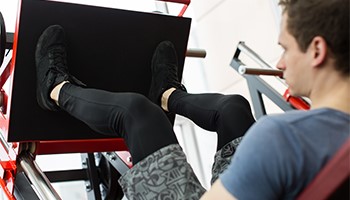
3. Do Regular Exercise
Regular exercise can help with bloating. Exercise has also been shown to reduce irritable bowel syndrome (IBS). Regular exercise also helps manage stress, a major cause of bloating and other abdominal symptoms (1).
4. Get Abdominal Massage
Massaging the abdomen can help alleviate bloating by stimulating digestion and relieving tension in the abdominal muscles. Start at the lower right side of the abdomen and move clockwise, following the path of the colon. Apply light pressure and continue for a few minutes.
This technique can help stimulate peristalsis, the wave-like muscle contractions that move food through the digestive tract, aiding in the expulsion of gas and alleviating bloating. Massaging your abdomen is one of the natural ways to reduce bloating.
5. Take Essential Oil
Consuming essential oil is one of the best ways on how to reduce gas and bloating. According to one study 116 participants with Irritable Bowel Syndrome (IBS) who took essential oil supplements like fennel and curcumin saw improvement in their IBS symptoms. They also observed a reduction in their abdominal pain and bloating (2).
Always consult a doctor before consuming any essential oil as they could interact with certain medication.
6. Use Gas Relief Capsules
Some gas relief capsules like liquid simethicone pills are anti gas medications. Anti-gas capsule helps to move excess air out of the digestive tract thus reducing bloating. Make sure to take capsules to reduce gas and bloating as per recommendation.
7. Try Peppermint
Taking a peppermint is also an easy way to reduce bloating after eating. Peppermint helps with digestion. One study found that 72 participants with Irritable Bowel Syndrome (IBS) who took 180mg of peppermint capsule three times a day for a month saw improvements in bloating and other IBS symptoms (3).
8. Check for Lactose Intolerance
Lactose intolerance is the inability to digest lactose in milk and other dairy products. The body requires an enzyme called lactase to digest lactose. Without proper digestion lactose passes through your gut, pulling in more water until it reaches your colon, where it’s fermented by bacteria and releases gas. If your stomach feels irritated and fills with gas every time you consume dairy, then get yourself checked for lactose intolerance.
9. Avoid Certain Foods and Drinks
It is best to avoid foods high in carbs that can cause bloating as they produce gas during digestion. Carbonated drinks are also bad for bloating and gas. It is best to avoid these foods and drinks. No need to eliminate them, just consume them in moderation.
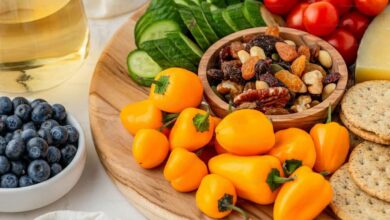
10. Eat Fibre Rich Foods
Fibre rich foods are the best foods that reduce bloating. Eating fibre can help to prevent constipation and bloating. Experts recommend eating 18g – 35g fibre daily. Soluble fibre absorbs water in the digestive tract, forming a gel-like substance that softens stool and facilitates its passage. Insoluble fibre holds on to the water and makes stool softer and easier to pass (4).
11. Use Probiotic
Probiotics are healthy bacteria found in the gut which helps with digestion. Probiotic supplements can help to maintain help restore the balance of beneficial bacteria in the gut, which may be disrupted by factors such as antibiotic use, poor diet, or illness. Some studies have found that probiotics reduce gas production and bloating in people with digestive issues.
12. Reduce Salt in the Diet
High salt foods like chips, fries and other snacks contain high amounts of salt. This can lead to water retention in the body, making you feel stuffy, swollen, and bloated. Try to cut down salt from the regular diet and avoid processed food.
13. Try Low FODMAP Diet
FODMAP diet means food rich in fermentable oligosaccharides, disaccharides, monosaccharides, and polyols. Research suggests that limiting foods high in these types of carbs helps to reduce bloating and gas (5).
Foods rich in FODMAPs include
- Grains: wheat and rye
- Dairy: milk, yogurt, and cheese
- Fruit: apples, pears, mangoes, peaches fruit juice, and dried fruits
- Vegetables: Brussels sprouts, cabbage, asparagus, onions, leeks, zucchini and green beans
- Pulses: lentils and legumes
- Other: sugar-free gum and honey
14. Eat at Regular Interval
Many people feel discomfort after eating a big meal. This is because it may be difficult to digest large quantities of food. This can lead to a feeling of fullness and bloating. Eating several small portions of a meal during the day can help in better digestion and reduce bloating.
15. Avoid Chewing Gums
Chewing gums contain sugar alcohols like sorbitol, xylitol, or mannitol as sweeteners. This led to production of gas and bloating in some individuals, especially when consumed in large amounts. Some chewing gum contains artificial sweeteners like aspartame or sucralose which can lead to GI problem.
Conclusion
Hope this blog has helped you to understand how to reduce stomach bloating. Bloating is a common issue caused by certain lifestyle factors like diet, bad habits and medical conditions. Try the techniques mentioned in the article and let us know in the comments if it has helped you to avoid bloating and gas.
FAQs
1. Can bloating be stopped?
Yes, bloating can be stopped eating fibre rich food, staying hydrated and eating at regular intervals to stop bloating.
2. What food stops bloating?
Fibre rich foods like vegetables, fruits, oats and lentils to stop the bloating.
3. What to drink to reduce bloating?
Drink probiotic drinks to reduce bloating.
4. How to treat a bloated stomach at home?
To treat bloated stomach at home massage the abdominal part, try to do some yoga and try some anti-bloating supplements.
5. How to avoid bloating?
To avoid bloating, eat smaller, frequent meals, avoid carbonated drinks and high-sodium foods, and incorporate probiotics and fiber-rich foods into your diet. Also, limit processed and sugar-laden foods. Stay hydrated by drinking plenty of water throughout the day.