
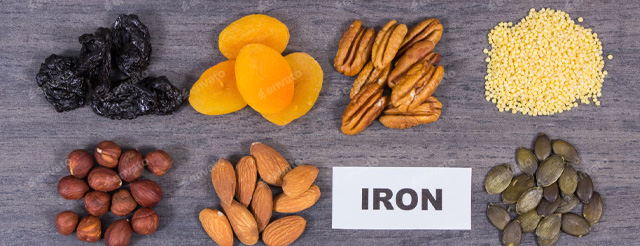
Iron deficiency is a major challenge in a major health problem in India. According to the latest National Family Health Survey 2019, Anemia was found in 68.4% of youngsters and 66.4% of all women, compared to 35.7% of kids and 46.1% of the women in 2016 (1).
Foods such as red meat, poultry, fish, beans, lentils, tofu, spinach, and fortified cereals are the best foods for Iron deficiency. Iron supplements are also a great option if you want to manage Iron deficiency. In this blog, we will understand
Signs and Symptoms of Iron deficiency and its effects:
1.Unusual Tiredness
Tiredness is one of the most common signs of Iron deficiency. Iron helps to produce hemoglobin which is responsible for transporting oxygen around the body. Less hemoglobin means less oxygen to tissues and muscles. This lack of oxygen is responsible for tiredness and less energy. Your heart also works hard to pump oxygenated blood to the various organs of the body resulting in tiredness. Tiredness along with shortness of breath is a strong symptoms of iron deficiency (2).
2. Pale Skin
Pale skin is another sign of iron deficiency. Hemoglobin is responsible for giving blood its red colour. Hence due to iron deficiency hemoglobin is less the blood becomes less red and can make skin paler than usual.


One study found that pale skin is a reliable indicator of Iron deficiency anemia. Someone with severe anemia may also have pallor in the creases of the palms of the hands (3).
3. Shortness of Breath
As we have already discussed, the function of hemoglobin helps red blood cells to carry oxygen all around the body. Less hemoglobin due to iron deficiency means muscles can’t receive enough oxygen to perform physical activities loke walking, running and exercise. This results in heavy breathing and shortness of breath. If you’re experiencing shortness of breath during routine activities like walking, stair climbing, or exercising, it could be a sign of low iron levels.
4. Headaches
Iron deficiency can lead to headaches due to reduced oxygen delivery to the brain. This lack of oxygen may result in headaches. Although there are multiple causes of headaches, persistent headaches are a sign of Iron deficiency.

5. Heart palpitations
Heart palpitations are sensations of rapid, fluttering, or pounding heartbeats. They may feel like your heart is racing, skipping beats, or beating irregularly. Hemoglobin present is red blood cells carry oxygen to the heart. Less hemoglobin means less oxygen to the heart. This can lead to irregular heartbeats or the feeling that your heart is beating abnormally fast. Iron deficiency also worsens other heart conditions like heart failure and coronary heart disease.
6. Dry and damaged hair and skin
Iron deficiency can contribute to dry and damaged hair and skin. Iron is essential for hemoglobin production, which carries oxygen to cells throughout the body, including hair follicles and skin cells. When there’s a lack of oxygen reaching these cells due to iron deficiency, it can lead to dryness, brittleness, and overall damage to both hair and skin. Additionally, iron deficiency can disrupt other processes in the body that are important for maintaining healthy hair and skin, such as collagen production.
7. Swelling and Soreness of the Tongue
Iron deficiency can lead to a condition called glossitis, which is characterised by swelling and soreness of the tongue. This occurs because iron deficiency affects the cells responsible for maintaining the health and integrity of the mucous membranes in the mouth, including the tongue.
8. Restless Legs
Restless leg syndrome (RLS) is a neurological disorder characterised by an irresistible urge to move the legs, often accompanied by uncomfortable sensations such as tingling, itching, or crawling feelings.
Iron deficiency is linked to restless leg syndrome with one study that found that people who are anemic are six times more likely to have restless leg syndrome than the general population (4).
9. Brittle Nails
Koilonychia, commonly known as spoon-shaped fingernails, is a symptom of iron deficiency anemia. Initially, brittle nails prone to chipping and cracking are typical indicators. As the iron deficiency progresses, the nails may take on a spoon-like shape, where the middle of the nail dips and the edges curve upward, resembling a spoon.
10. Strange Cravings
Pica is the term used to describe a strong desire for strange food or non-food items. This craving may include ice, clay, dirt, chalk, or paper. It can manifest during pregnancy and might indicate a deficiency in iron levels. (5)
11. Depression
There are some links between Iron deficiency and depression. One scientific study found that people who reported signs of depression were also anemic (6).
12. Weak Immune System
Iron deficiency can weaken the immune system because iron is essential for the proper functioning of immune cells. Without enough iron, the body may struggle to produce enough immune cells and impair their ability to fight off infections.
13. Cold Hands and Feet
Iron deficiency results in reduced oxygen delivery to the hands and feet, potentially causing individuals to feel more sensitive to cold temperatures or to experience cold hands and feet.
14. Poor Appetite
Iron is necessary to produce certain enzymes like ghrelin and neurotransmitters involved in regulating appetite and digestion. When iron levels are low, it can disrupt these processes, leading to a decreased desire to eat or changes in taste perception.
Conclusion
The symptoms of iron deficiency anemia can vary based on its severity. In the initial stages, individuals may not experience any symptoms. Common symptoms include tiredness, paleness, difficulty breathing, and dry or unhealthy hair and skin. Dietary changes and supplementation are the best options to overcome Iron deficiency.
FAQs
1.How do you feel if your iron is low?
Low iron levels can cause fatigue, weakness, pale skin, shortness of breath, dizziness, headaches, cold hands and feet, brittle nails.
2. What are the 3 stages of iron deficiency?
Iron deficiency typically progresses through three stages:
Stage 1: Depleted Iron Stores – Iron stores in the body begin to diminish.
Stage 2: Iron-Deficient Erythropoiesis – The body’s ability to produce red blood cells is impaired due to insufficient iron.
Stage 3: Iron Deficiency Anemia – The most severe stage where the body lacks enough healthy red blood cells to carry adequate oxygen to tissues.
3. How can I raise my iron level quickly?
Iron supplementation is the best option to raise Iron level quickly. Try Fast&Up Iron to fulfill your daily Iron requirements and reduce Iron deficiency.




Great article, I liked it very much congratulations
Your blog post was engaging and inspiring. I found the ideas you presented to be motivating and I am eager to apply them in my own life.