
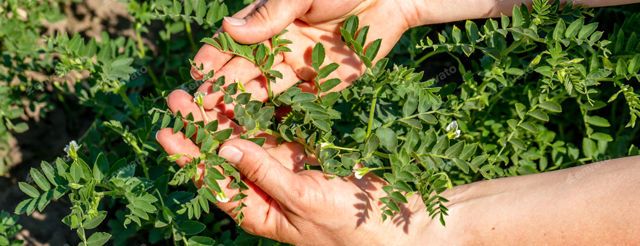
Moringa, also known as Moringa oleifera, is a versatile and nutritious plant native to parts of South Asia and Africa. It is commonly called the drumstick tree, horseradish tree, or ben oil tree in Western countries.
The Moringa tree is also called a miracle tree because every part of the moringa tree is edible and has some medical properties. The most used part of the plant is the edible leaves, and moringa leaves are sold as dietary supplements either in powdered or capsule form.
Moringa Nutrition
Moringa plant is rich in nutrients, especially vitamins and minerals. One cup or approximately 20gm of moringa leaves contains (1).
| Nutrients | Amount |
| Protein | 2g |
| Vitamin B6 | 19% or RDA |
| Vitamin C | 12% of RDA |
| Iron | 11% of RDA |
| Vitamin B2 | 11% of RDA |
| Vitamin A | 9% of RDA |
| Magnesium | 8% of RDA |
Health Benefits of Moringa
1. Helps to fight inflammation
Inflammation is your body’s response to pain and injuries. Moringa leaves possess anti-inflammatory properties attributed to the presence of a compound called isothiocyanates. Additionally, they contain niazimicin, which has the ability to inhibit the growth of cancer cells (2). Inflammation serves as the underlying factor for numerous diseases such as cancer, arthritis, rheumatoid arthritis, and various autoimmune disorders. Long-term inflammation can lead to chronic health issues. Eating moringa leaves is ideal to reduce inflammation.
2. Rich in antioxidant
Moringa leaves possess antioxidant properties that shield against the harmful impact of free radicals. The damage caused by free radicals is responsible for numerous chronic conditions such as type 2 diabetes, cardiovascular issues, and Alzheimer’s disease. Moringa leaves are also rich in vitamin C and beta-carotene that act against free radicals (3).
Moringa leaves contain the antioxidant Quercetin, which aids in reducing blood pressure. Additionally, they contain Chlorogenic acid, another antioxidant that helps in stabilizing blood sugar levels after meals.
A study in women found that consuming 1.5 teaspoons or 7g of moringa powder benefits by significantly increasing blood antioxidant levels (4).
3. Helps to lower blood sugar level
High blood sugar levels can lead to the onset of diabetes in people. Diabetes, in turn, may result in heart issues and damage to organs within the body. Moringa leaves serve as an excellent solution for this purpose as they help stabilise blood sugar levels, thanks to the presence of plant compound isothiocyanate.
4. Helps to lower cholesterol
Moringa contains compounds, such as beta-sitosterol, that have been associated with cholesterol-lowering effects. Beta-sitosterol is a plant sterol that structurally resembles cholesterol and may compete with cholesterol absorption in the digestive tract, leading to lower overall cholesterol levels.
Additionally, the antioxidant properties of moringa may contribute to its potential cardiovascular benefits. Antioxidants help prevent the oxidation of LDL cholesterol, which is a crucial step in the development of plaque in the arteries.
5. Helps to protect the liver
The liver helps in blood detoxification, fat metabolism and nutrient absorption and it can function properly only if the liver enzymes are normal. Moringa leaves help to stabilise these liver enzymes. The moringa leaves accelerate the repair of the liver cells. These leaves have a high concentration of polyphenols that protect against oxidative damage to the liver and may even reduce it. They also help to increase the protein levels in the liver.
6. Good for stomach health
Moringa leaves or drumstick leaves are helpful in fighting against digestive disorders. Those who suffer from constipation, bloating, gas, gastritis and ulcerative colitis should add moringa juice to their diet. Moringa leaves have antibiotic and antimicrobial properties which make them an ideal solution against digestive disorders. Even the high amount of B vitamins in the leaves helps to improve digestion.
7. Helps to improve bone health
Moringa leaves contain calcium and phosphorus, both of which are important for bone health. Since moringa leaves have anti-inflammatory properties, they help combat arthritis and even heal bones that are damaged. Moringa also helps fight against osteoporosis and keeps bone and teeth strong (5).
8. Helps to improve skin and hair
Moringa is packed with essential nutrients, including vitamins (such as vitamins A, C, and E), minerals (like calcium and iron), and amino acids. These nutrients are vital for overall health and can contribute to the maintenance of healthy skin.
Moringa contains powerful antioxidants that help fight oxidative stress. Antioxidants play a role in protecting the skin from damage caused by free radicals, potentially contributing to a more youthful and healthier complexion.
9. Helps in weight management
Moringa is a nutrient-dense plant, meaning it provides a variety of essential vitamins, minerals, and antioxidants with relatively few calories. Chronic inflammation in the body is associated with obesity. Moringa’s anti-inflammatory properties may contribute to a reduction in inflammation, potentially influencing weight management.
Moringa’s potential to lower cholesterol levels may also be relevant to weight management, as high cholesterol is a risk factor for heart disease, which is often associated with obesity.
10. Helps to improve lactation
Moringa can be excellent in improving lactation due to their nutrient-rich composition. In traditional Ayurvedic practices, moringa leaves were historically employed to enhance lactation in breastfeeding mothers. Due to their high protein content and abundance of crucial vitamins and nutrients, the consumption of moringa leaves is highly beneficial for the health of both the mother and the baby.
Side Effects of Moringa
• Digestive Issues:
Consuming large quantities of moringa, especially in the form of supplements, may lead to digestive issues such as diarrhea, nausea, or stomach upset.
• Blood Sugar Level Interactions:
Moringa may lower blood sugar levels, which could be problematic for individuals taking diabetes medications. Monitoring blood sugar levels closely and consulting with a healthcare professional is advisable.
• Blood Pressure Interaction:
Moringa may have a mild hypotensive effect, potentially lowering blood pressure. Individuals already taking medications for low blood pressure should exercise caution and consult with a healthcare provider.
• Allergic Reactions:
Some individuals may be allergic to moringa. Allergic reactions could manifest as itching, rash, or difficulty breathing. In case of any allergic symptoms, medical attention should be sought immediately.
• Pregnancy and Breastfeeding:
While moringa is generally considered safe for pregnant and breastfeeding women in moderate amounts, it is advisable to consult with a healthcare provider before incorporating it into the diet.
Conclusion
Moringa has been a part of Ayurvedic solutions to many of the health problems for thousands of years. Moringa leaves can help you provide nutrition, protect against oxidative stress, and help to improve bone, skin and hair health and so on. Moringa supplements are available in different forms like powder, tablets and capsules which can be easily incorporated into your diet. So, make sure you don’t miss out on the amazing benefits of moringa.
FAQs
1. What is the benefit of Morinaga powder?
Morinaga powder is a nutritional supplement that provides essential vitamins and minerals, supporting overall health and well-being when incorporated into a balanced diet and lifestyle.
2. What are the 10 benefits of moringa?
Here are ten potential benefits of moringa:
- Rich in nutrients: Moringa leaves are packed with vitamins, minerals, and antioxidants.
- Supports immune function: Its nutrients can strengthen the immune system.
- Promotes healthy skin: Moringa contains compounds that benefit skin health.
- May lower blood sugar levels: Some studies suggest moringa may help regulate blood sugar levels.
- Supports heart health: Moringa’s antioxidants can benefit heart health.
- Improves digestion: Moringa leaves may aid digestion and alleviate digestive issues.
- Anti-inflammatory properties: Moringa contains compounds that can reduce inflammation.
- May lower cholesterol: Studies indicate moringa may help lower cholesterol levels.
- Supports brain health: Moringa’s nutrients can benefit cognitive function.
- May have anticancer properties: Some research suggests moringa may have anticancer effects, although more studies are needed.
3. What is the nutritional value of moringa?
Nutritional value of morings is as follows
| Protein | 2g |
| Vitamin B6 | 19% or RDA |
| Vitamin C | 12% of RDA |
| Iron | 11% of RDA |
| Vitamin B2 | 11% of RDA |
| Vitamin A | 9% of RDA |
| Magnesium | 8% of RDA |
4. What does moringa do for your body?
Moringa offers various potential health benefits, including supporting immune function, promoting healthy skin, regulating blood sugar levels, improving digestion, reducing inflammation, and providing essential nutrients for overall well-being.
5. Why is moringa so powerful?
Moringa is considered powerful due to its high nutritional content, including vitamins, minerals, antioxidants, and protein, which collectively contribute to its numerous potential health benefits.



1