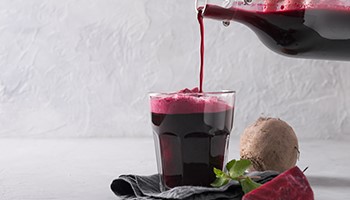
Beetroot juice has gained significant attention in recent years for its myriad health benefits and versatility as a nutritional powerhouse. Whether you’re looking for a natural energy boost, improved cardiovascular health, or glowing skin, beetroot juice might just be the answer. However, as with any dietary addition, it’s essential to understand both the benefits and potential side effects. In this blog, we’ll explore the benefits of beetroot juice, how to make beetroot juice at home, the best time to drink it, and more.
Benefits of Beetroot Juice:
Beetroot juice is rich in essential nutrients such as vitamin C, potassium, fiber, and folate. One of the most remarkable components of beetroot is its high concentration of dietary nitrates, which the body converts into nitric oxide. This compound plays a crucial role in dilating blood vessels, improving blood flow, and promoting better cardiovascular health.
-
Cardiovascular Health and Blood Pressure
One of the primary benefits of beetroot juice is its ability to help lower blood pressure. Studies have shown that the nitrates in beetroot juice can reduce both systolic and diastolic blood pressure levels (1). A study published in Hypertension revealed that consuming beetroot juice significantly reduced blood pressure in participants, demonstrating its potential as a natural remedy for supporting cardiovascular health.
-
Natural Energy and Exercise Performance
Beetroot juice is popular among athletes due to its potential to boost exercise performance. The nitric oxide produced from dietary nitrates helps enhance oxygen delivery to muscles, improving stamina and endurance. Research published in The Journal of Applied Physiology found that participants who consumed beetroot juice before physical activity experienced a marked increase in exercise performance compared to those who did not (2).


Beetroot Juice Benefits for Skin: A Natural Glow
Is beetroot good for skin? Absolutely. The antioxidants in beetroot juice, along with vitamins such as vitamin C, make it an excellent addition to a skincare regimen. Vitamin C helps combat free radicals, reducing signs of aging and promoting a youthful glow. Additionally, the potassium in beetroot helps maintain hydration levels, keeping the skin soft and supple.
Beetroot Juice Benefits for Skin:
- Reduces Pigmentation: Regular consumption of beetroot juice can help lighten dark spots and even out skin tone.
- Detoxification: The high fiber content aids in flushing out toxins from the body, promoting clearer skin.
- Anti-Inflammatory Properties: Beetroot juice helps reduce inflammation, which can lead to fewer breakouts and reduced redness.
How to Make Beetroot Juice: Simple and Effective
Wondering how to make beetroot juice at home? It’s straightforward and requires only a few ingredients:
Basic Recipe for Beetroot Juice:
Ingredients:
- 2 medium-sized beetroots
- 1 small piece of ginger (optional for flavor)
- 1 apple or carrot for sweetness
- Water as needed
Instructions:
- Peel and chop the beetroots and apple or carrot into smaller pieces.
- Add them to a blender with the ginger.
- Blend until smooth, adding water as necessary to reach your desired consistency.
- Strain the mixture using a sieve or a cheesecloth for a smoother juice.
- Pour into a glass and enjoy.

Beetroot for Diabetic Patients
Beetroot has a natural sweetness, which might raise questions about its suitability for people with diabetes. However, beetroot for diabetic patients can be beneficial when consumed in moderation. The fiber in beetroot helps regulate blood sugar levels by slowing down the absorption of sugar in the bloodstream.
Beetroot Juice Side Effects:
While the benefits of beetroot juice are numerous, it’s essential to be aware of potential side effects:
- Beeturia: One harmless side effect of consuming beetroot juice is beeturia, where urine or stools may turn a pink or red color.
- Kidney Stones: Beetroot is high in oxalates, which can contribute to kidney stone formation in people prone to them. If you have a history of kidney stones, consult with a healthcare provider before consuming large amounts of beetroot juice.
- Low Blood Pressure: Since beetroot juice can lower blood pressure, those who are hypotensive or on blood pressure medications should exercise caution.
A study in The British Journal of Nutrition highlighted that while beetroot juice is generally safe, individuals with specific health concerns should moderate their intake or seek medical advice (3).
Conclusion:
Beetroot juice is a nutritional powerhouse with a range of health benefits, from improving cardiovascular health and supporting muscle recovery to enhancing skin health and providing a natural energy boost. Learning how to make beetroot juice at home is simple, and drinking it regularly can offer various advantages. However, as with any dietary addition, it’s essential to understand the beetroot juice side effects and consult with a healthcare provider if you have underlying health concerns.
The best time to drink beetroot juice can vary based on your goals, but incorporating it into your morning routine or pre-workout plan can optimize its benefits. With moderate and mindful consumption, beetroot juice can be a valuable addition to a balanced, health-focused diet.
FAQs
1. What is the side effect of beetroot juice?
Possible side effects include beeturia (red or pink urine/stools) and an increased risk of kidney stones due to high oxalate content.
2. Can I drink beetroot juice daily?
Yes, but moderation is key. Drinking beetroot juice daily is generally safe for most people unless they have specific health conditions.
3. How many beetroots per day?
Around 1-2 beetroots (or 250 ml of beetroot juice) per day is considered safe for most individuals.
4. What organ is beetroot good for?
Beetroot is especially good for the heart, promoting cardiovascular health through improved blood flow and reduced blood pressure.
5. What are the main benefits of beetroot?
The main benefits of beetroot include improved blood pressure, enhanced exercise performance, better digestion, and support for skin health and brain function.